Using a Restroom Trailer offers numerous eco-friendly advantages that align with sustainable practices. Firstly, restroom trailers are designed to provide efficient water usage compared to traditional bathrooms, utilizing advanced systems that minimize wastage. This efficiency not only reduces environmental impact but also ensures a significant cost reduction for users who can control and maintain lower water bills.Secondly, the construction and operation of restroom trailers emphasize environmentally friendly materials and processes. Many trailers are equipped with solar panels and energy-efficient lighting, further minimizing their carbon footprint. Additionally, they often use biodegradable products for cleaning and maintenance, promoting a greener approach to sanitation.Restroom trailers also offer the advantage of portability, which means they can be relocated to minimize environmental disturbance. For event organizers conscientious about leaving no trace, these trailers provide a perfect solution. By opting for mobile units, you not only ensure that the necessary sanitary facilities are in place, but you also reduce the need for permanent structures that require more resources and energy to build and manage.Beyond their eco-friendly operation, restroom trailers help reduce ground impact on venues, particularly in areas close to natural surroundings. They can be installed without the need for heavy infrastructure, preserving the site's natural aesthetics and biodiversity. This aspect is particularly valuable for events situated in parks, outdoor festivals, and eco-sensitive areas where the preservation of the natural habitat is crucial.Finally, the commitment to regular maintenance and waste management ensures that all waste is dealt with responsibly. Companies providing restroom trailer services typically ensure that waste is disposed of according to local regulations, reducing the risk of pollution and environmental harm. Through these measures, restroom trailers offer a sensible and sustainable choice for both temporary and long-term sanitary needs.

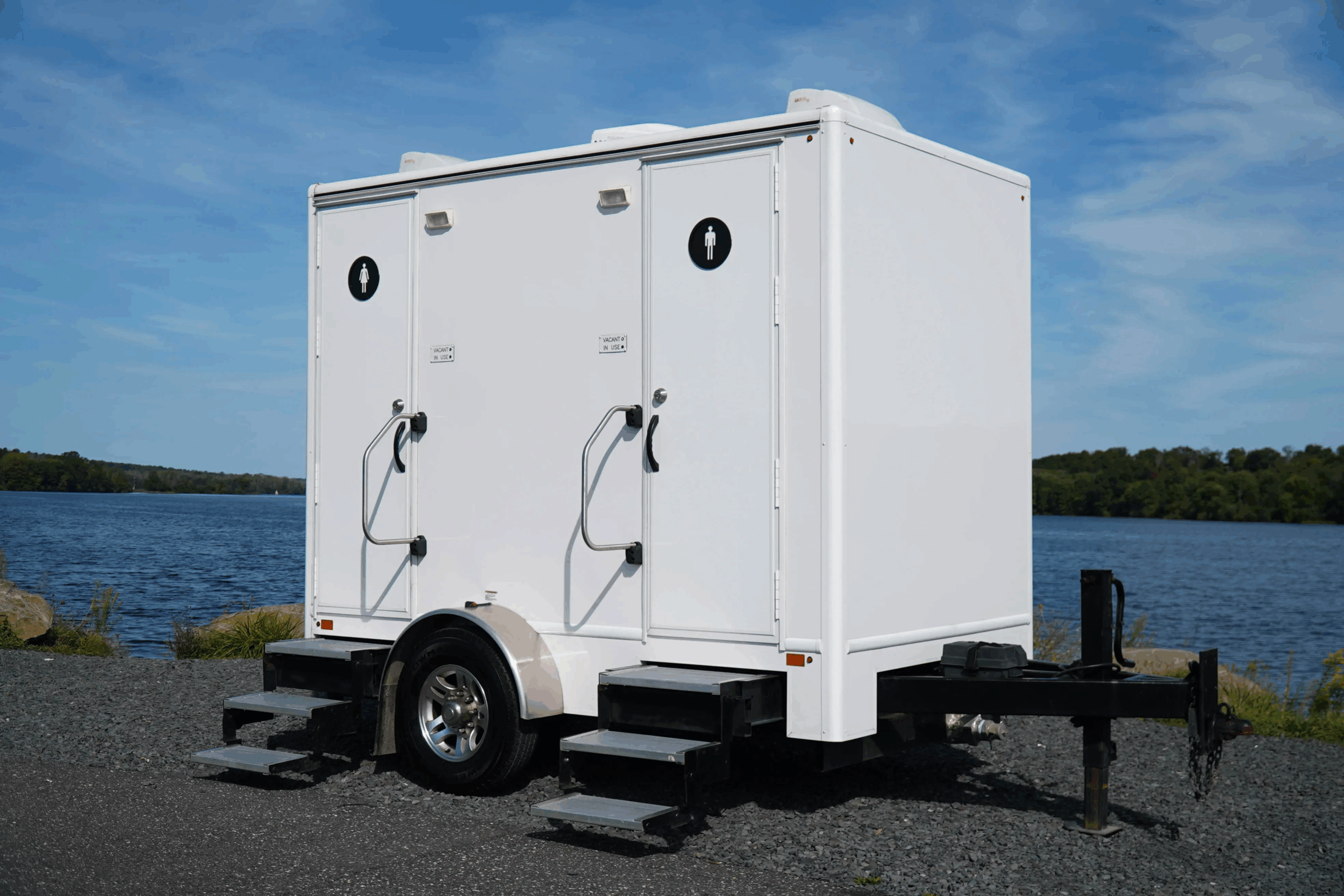
Restroom Trailer Rentals in Terry County, Texas
Call today for a free quote (337) 270-0434
Restroom Trailer
Fast, Easy, & 100% Free To Get Started
Serving Terry County Since 1990
With over twenty-five years of experience, we are a trusted name in Terry County, committed to delivering top-quality restroom trailers. Our long-standing history and deep community ties reflect our dedication to serving our clients with reliability and excellence.
Exceptional Quality Service
We are dedicated to providing exceptional quality service with our state-of-the-art restroom trailers. Each unit is designed to ensure maximum comfort and cleanliness for your guests, making us the top choice for sanitation solutions.
Prompt, Reliable Delivery
Our commitment to quick delivery ensures your restroom trailer arrives on schedule, ready to provide seamless service for your event. We take pride in our ability to deliver efficient, reliable results every time.
Convenient Restroom Trailer Options in Terry County
Call for a Free Quote Today
(337) 270-0434
In Terry County, our locally-owned restroom trailer services deliver dependable and reliable solutions for your event needs. Whether you're managing a construction site, throwing a party, organizing a festival, or planning a wedding, our trailers provide top-notch sanitation facilities. We take pride in our commitment to quality and customer satisfaction, ensuring your guests or workers enjoy the best amenities available. Our local presence allows us to serve nearby areas efficiently and excellently, distinguishing us in the industry. With our reputation for reliability, you can focus on what matters most, confident your sanitation needs are in trusted hands.
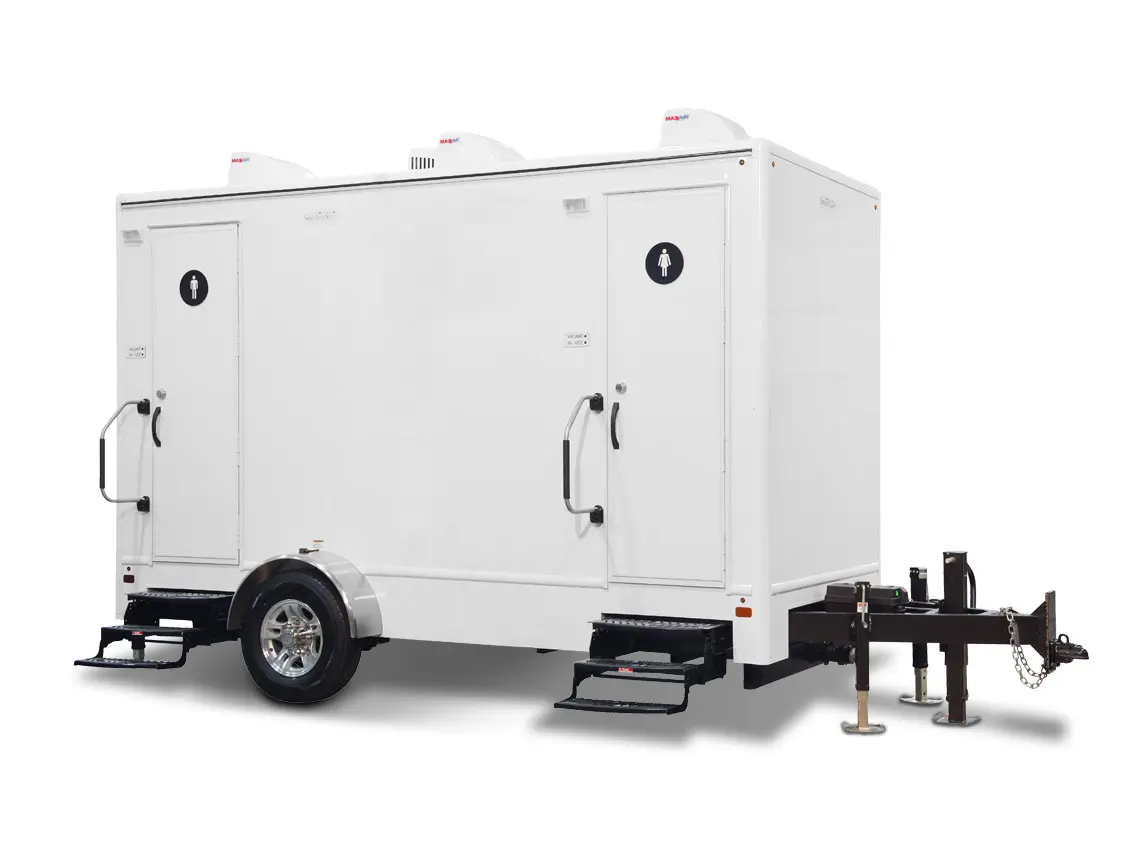
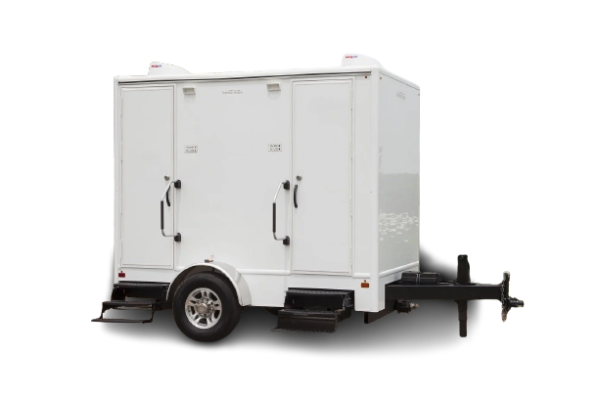
A compact, stylish solution featuring separate entrances for men and women.Each private suite includes flushing toilets, sinks with running water, interior lighting, and climate control for comfort at any event or worksite. (We offer variants 2–10 stalls.)
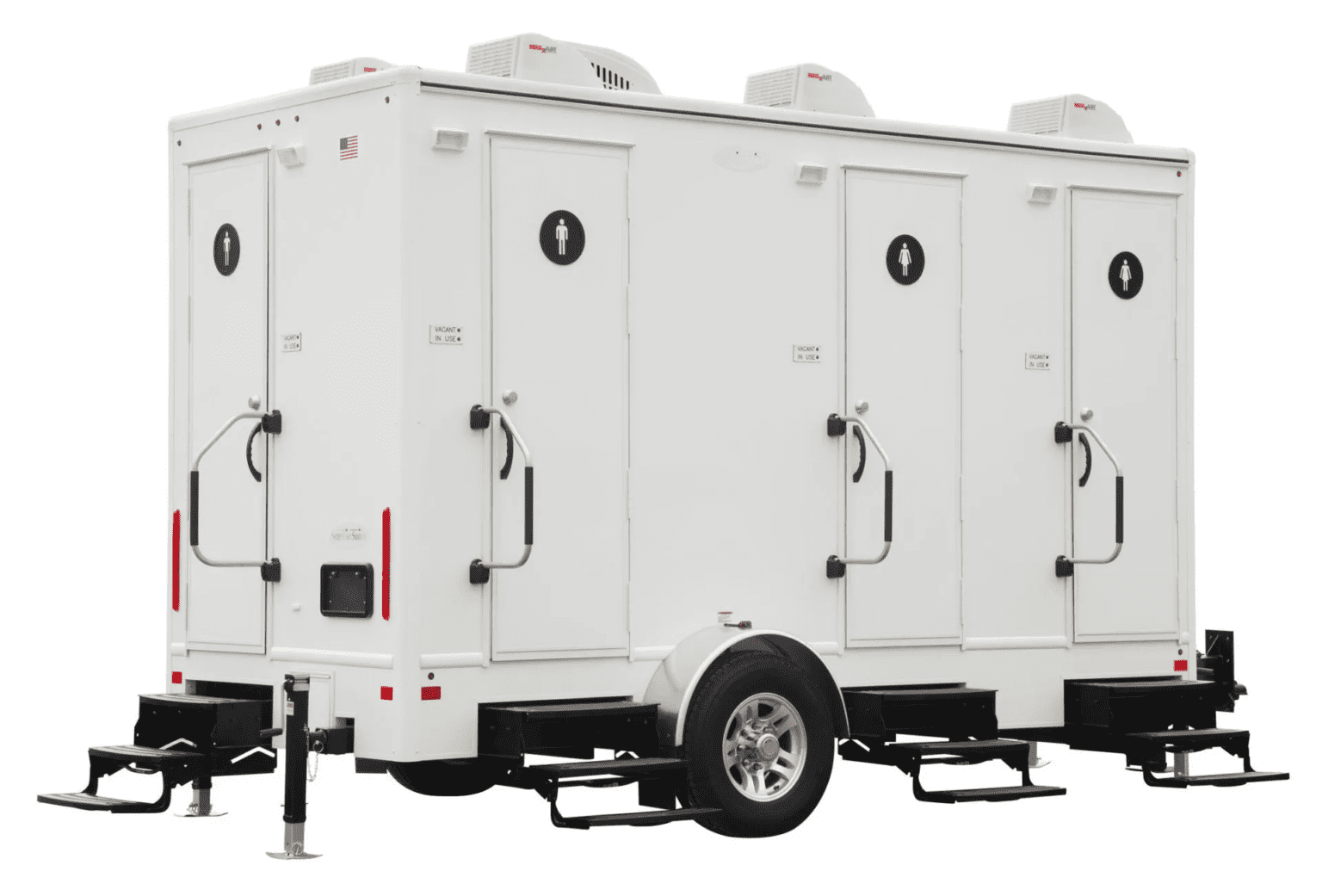
Designed for higher guest capacity, this unit offers four private, individual restrooms with flushing toilets, sinks with running water, interior lighting, and climate control. Ideal for weddings, festivals, and busy job sites.(We offer variants 2–10 stalls.)
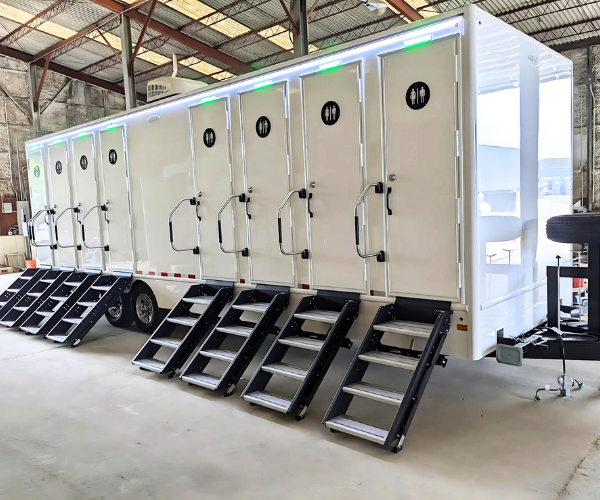
Perfect for large events and high-traffic sites, this spacious trailer provides eight private stalls, each with a flushing toilet, sink with running water, interior lighting, and climate control. A reliable, upscale solution for maximum convenience and comfort.(We offer variants 2–10 stalls.)
We Proudly Serve
Standard Portable Toilets
Our Standard Portable Toilets deliver reliable sanitation solutions tailored for Event Solutions across Texas.
High Rise Portable Toilets
High Rise Portable Toilets in Terry County offer specialized sanitation for multi-level construction sites.
Restroom Trailers
Our Restroom Trailers in Terry County ensure Event Solutions exceed expectations with luxury facilities.
Roll off Dumpsters
Roll off Dumpsters by Event Solutions in Terry County provide efficient waste management for any project.
Septic Tank Cleaning
Event Solutions offers expert Septic Tank Cleaning services across Texas for hassle-free sanitation maintenance.
Grease Trap Cleaning
Our Grease Trap Cleaning in Terry County, Texas, ensures kitchen efficiency and compliance with health standards.
Fencing & Barricades
Event Solutions' Fencing & Barricades services in Texas deliver superior safety and security for your projects.
Residential Storage
Our Residential Storage solutions in Texas, Terry County, provide secure and convenient storage for your needs.
Terry County Portable Event Solutions
Getting a quote and ensuring the delivery of our Restroom Trailer has never been this easy and convenient. With our user-friendly online platforms, you can easily navigate through the forms located at the top and bottom of our pages. Simply fill out your first name, last name, phone number, and email, and click the Get A Quote button available throughout our site. This seamless process allows you to quickly secure a restroom trailer for your project or event.We understand the importance of timeliness, which is why our team is committed to offering prompt and efficient service from the moment you reach out. Our delivery service ensures that each restroom trailer arrives on time and is set up promptly, making your experience hassle-free. The convenience of working with us means you can focus on the success of your event while we take care of the sanitation needs.For those hosting large gatherings, be it a wedding, festival, or community event, our team is equipped to handle venues across Terry County and beyond. By streamlining our processes and maintaining clear communication with our clients, we aim to deliver a professional and stress-free service. Choose us for a reliable, trustworthy bathroom trailer solution with a personal touch.
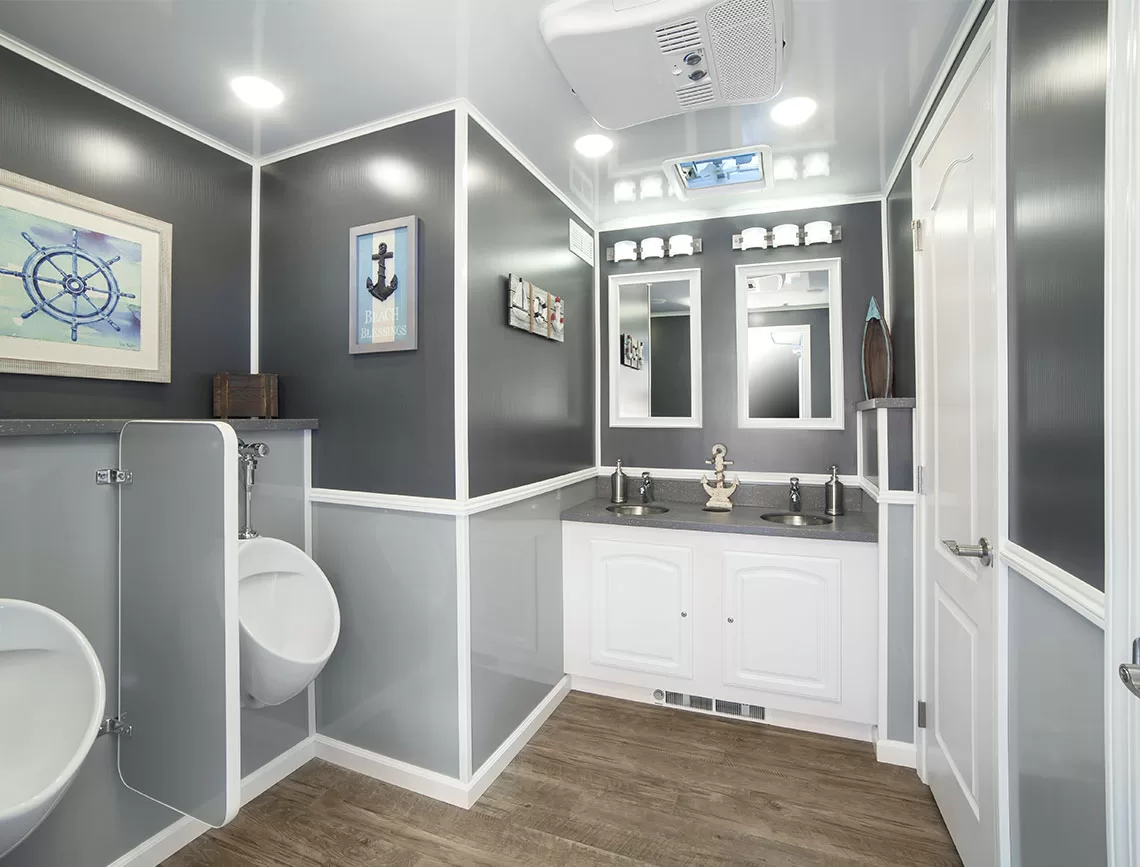
Experience the unique charm of Terry County while elevating your event with our premier Restroom Trailer services. Located near the picturesque McLean Park, our services provide unmatched accessibility and top-notch quality. Ideal for local events like the Terry County Harvest Festival, our trailers guarantee a clean and comfortable environment for your guests. As you host events in Terry County, enhance the natural beauty of the setting with our Restroom Trailers, designed to seamlessly blend with the local ambiance. Our dedicated team collaborates closely with event organizers, delivering and setting up trailers with precision tailored to any layout or location. This keen attention to detail, along with our friendly service, establishes us as the preferred provider in the area. By choosing our services, you support a community-oriented business dedicated to improving event standards in Terry County. Each restroom trailer is equipped with modern amenities, ensuring sanitation and comfort, making your events unforgettable and enjoyable.
Our company stands as the most reliable choice for mobile sanitation solutions in Terry County. We pride ourselves on a combination of local expertise, exceptional service, and a commitment to exceeding client expectations. Whether in our attentive customer service or the care and quality of our restroom trailers, every aspect of our business is designed with your needs in mind.Our reputation is built on years of trust and satisfaction among the Terry County community. We understand the unique requirements of the area and are equipped to meet them with efficiency and professionalism. Let us elevate your events with the best Restroom Trailer service available, tailored just for you.
Our company excels in delivering **fast and reliable Restroom Trailer services** throughout Terry County. We know the critical nature of punctual service, and our skilled team ensures your rental arrives and is set up swiftly and effectively. This dedication to excellence enables you to concentrate on enjoying and succeeding at your event, free from concerns about sanitation logistics.Ideal for weddings, festivals, or construction projects, our trailers are carefully maintained to meet the highest standards of cleanliness and dependability. By focusing on customer satisfaction and efficient operations, we offer a seamless rental experience that provides peace of mind to every client.
Explore Terry County's Premium Restroom Trailers
Renting a Restroom Trailer in Terry County is a straightforward and accessible process designed to accommodate your specific needs with ease. Begin by visiting our website, where you'll find simple forms located prominently at the top and bottom of the page. A clear step-by-step guide leads you through filling out your basic information, including your first name, last name, phone number, and email address. These straightforward details ensure that we have all the necessary information to begin the rental process promptly.Throughout our website, the 'Get A Quote' buttons are strategically placed, enabling you to quickly initiate your request at any time. By clicking this button, you're directed towards receiving a full consultation and quote, tailored to your unique requirements. This quick and professional service ensures that you won't have to deal with lengthy paperwork or unnecessary delays.Our experienced team then takes over; we're committed to arranging everything from the initial consultation to the final delivery. We take the time to understand both the scale and specifics of your event, offering expert advice on the perfect Restroom Trailer for your needs. Whether you're hosting a private party, festival, or corporate gathering, our approach guarantees a solution that fits your schedule and budget.Once your details are confirmed, the next steps are handled with utmost efficiency. From coordinating delivery dates to ensuring the trailer is set up correctly on your site, we oversee every detail. This seamless service allows you to focus on enjoying your event or managing your project without worrying about logistical issues.We pride ourselves on our reputation for excellent customer support and are always available to answer any additional queries or make last-minute adjustments if necessary. By choosing our services, you can rest assured that you will receive a comprehensive and client-focused approach to your Restroom Trailer rental experience in Terry County.
Understanding the delivery timeframe for Restroom Trailer orders is crucial for efficient event planning. At our company, we prioritize timely delivery to meet your unique scheduling needs. Once you've confirmed your order, we typically arrange deliveries within a period tailored to your location and specific event requirements.Most clients experience a swift turnaround, with trailers generally ready and installed within a few days of finalizing the rental agreement. We place a strong emphasis on communication, keeping you informed at each stage of the process to ensure you're prepared and ready to receive your trailer.We understand the dynamic nature of event planning, and our flexible delivery schedules reflect this reality. For orders placed on a tight timeline, we offer expedited services to accommodate urgent requests. We are committed to meeting short deadlines without compromising on the quality or safety of our installations.Our team works in close collaboration with you, discussing all relevant details to pinpoint the ideal arrival time and site setup for your restroom trailer. By maintaining open communication lines, we can predict and respond to any unforeseen challenges swiftly, minimizing any potential disruption to your plans.We believe in providing an experience that is as seamless as it is professional, ensuring our services align perfectly with your event specifications. Trust us to deliver your Restroom Trailer punctually, with all the coordination and care necessary to ensure a smooth and successful experience.
Absolutely, we are well-equipped to service any type of event or construction site with our Restroom Trailers. Whether you're hosting a lively festival, a significant sporting event, or a special family reunion, our versatile trailers cater to diverse occasions. For elegant weddings and corporate events, we offer luxury restroom trailers that provide a touch of class and comfort to any venue.Our extensive rental options include standard porta potties, ADA compliant units, portable sinks, hand sanitizer stations, and roll-off dumpsters to ensure comprehensive site service. For construction sites, our durable facilities, including fencing and barricades, provide robust security and safety solutions, enhancing the efficiency and professionalism of your operations.By choosing us, you're guaranteed a service that adapts to your specific venue requirements and event scale, providing convenience and reassurance. Our experienced team is dedicated to helping you find the ideal setup for your particular needs, offering expert advice and custom solutions.With a commitment to excellence and customer satisfaction, we ensure that all restroom facilities are impeccably maintained and present the best possible image for any public or private event. Our reliable and cohesive approach makes us the preferred choice for event organizers and contractors alike.By working alongside local authorities and abiding by relevant health and safety standards, we afford your guests or workers a seamless experience that upholds both convenience and eco-friendly practices.
