Restroom Trailers provide several eco-friendly advantages, making them a sustainable choice for events and construction sites. These trailers are designed to minimize water usage through efficient plumbing systems, often utilizing low-flush toilets that conserve water without compromising on functionality. Additionally, many trailers incorporate solar panels, providing a renewable energy source for lighting and other electrical needs, reducing dependence on traditional power grids and contributing to lower carbon emissions.Furthermore, restroom trailers are constructed from materials that are often recyclable or made from recycled content. This construction approach helps in reducing waste associated with temporary sanitary solutions. The use of high-grade, durable materials ensures longevity, meaning that fewer resources are needed for replacements or repairs over time, which is a key factor in sustainable resource management.Restroom trailers also support waste management practices that emphasize environmental responsibility. Unlike conventional portable toilets, trailers often come equipped with safe waste disposal systems that allow for easy transfer and treatment of waste, minimizing soil and water contamination risks. This efficient waste handling ensures compliance with environmental regulations, helping event organizers and construction managers maintain eco-friendly operations.Opting for restroom trailers can significantly reduce the environmental impact of sanitation solutions at large events or remote sites. The versatility of these units means they can be scaled to suit varying event sizes, optimizing resource use and promoting sustainable practices. In addition, by aligning with local environmental policies and initiatives, using Restroom Trailers can enhance a company's eco-friendly profile, appealing to environmentally conscious clients and partners.In conclusion, Restroom Trailers not only provide conveniences but also contribute positively to environmental sustainability. By using technologically advanced, resource-efficient designs, they reduce water use, utilize sustainable materials, and optimize waste management practices, offering a comprehensive eco-friendly solution for modern sanitation needs.

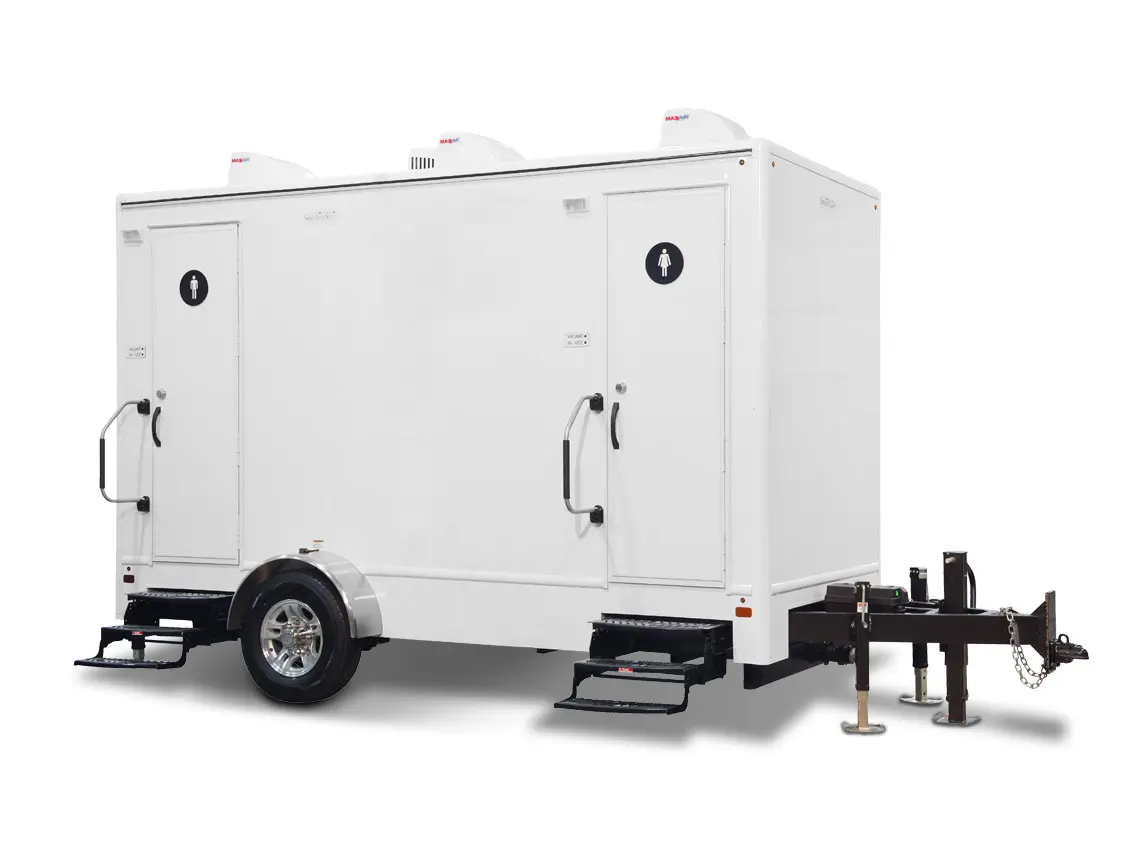
Restroom Trailer Rentals in Manuel Benavides Municipality, Texas
Call today for a free quote (337) 270-0434
Restroom Trailer
Fast, Easy, & 100% Free To Get Started
Over 25 Years Of Experience
For more than 25 years, our Restroom Trailer company has proudly served Manuel Benavides Municipality, delivering outstanding service and professionalism. Our strong community connections and unwavering commitment to exceptional quality ensure client satisfaction.
Unmatched Quality Service
Our Restroom Trailers, celebrated for their outstanding quality, deliver a clean, comfortable, and luxurious experience. We focus on excellence in every service detail, earning us a respected reputation in Manuel Benavides Municipality.
Rapid Delivery Services
Timeliness matters to us, so we prioritize swift and efficient deliveries for every Restroom Trailer request. Our team is dedicated to meeting your needs promptly and reliably, upholding our strong commitment to customer satisfaction.
Comfortable Restroom Trailers in Manuel Benavides
Call for a Free Quote Today
(337) 270-0434
Located in the heart of Manuel Benavides Municipality, our Restroom Trailer company prides itself on being dependable, reliable, and locally owned. We extend our top-notch services to nearby areas to ensure your events, whether they are construction sites, lively parties, grand festivals, or intimate weddings, have the best sanitation facilities possible. Our trailers are meticulously maintained, ensuring cleanliness and comfort for you and your guests. As a local business, we understand the unique needs of our community and are committed to providing tailored solutions for every occasion. Our reputation for reliability and high-quality service makes us the preferred choice in the region. Trust us to enhance your event experience with our well-equipped and versatile restroom trailers.
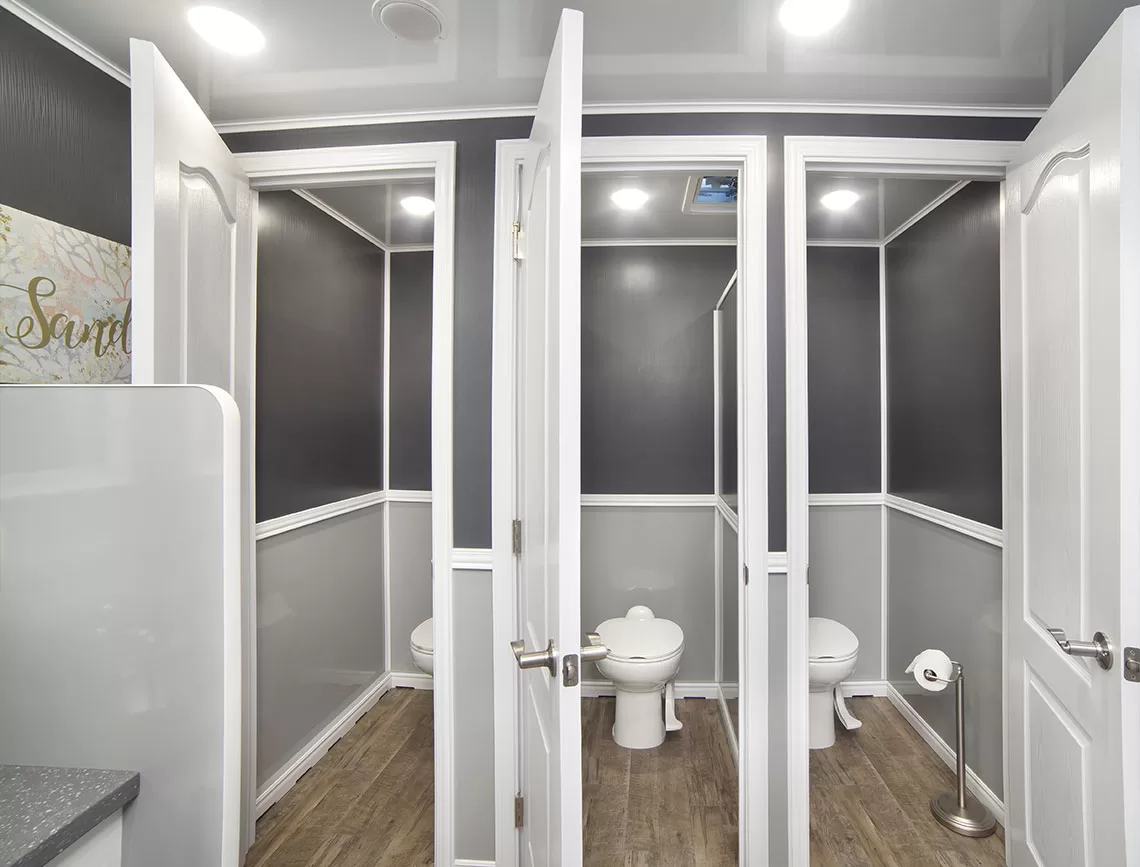
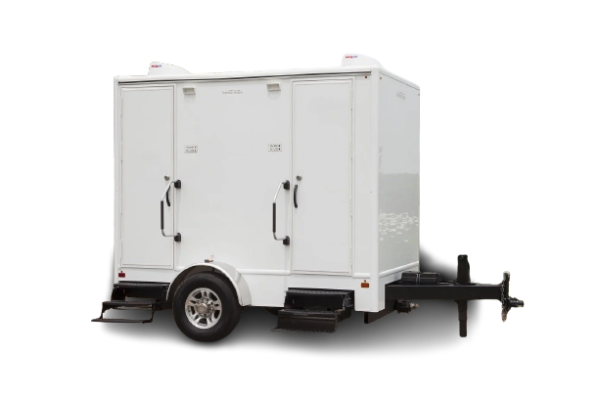
A compact, stylish solution featuring separate entrances for men and women.Each private suite includes flushing toilets, sinks with running water, interior lighting, and climate control for comfort at any event or worksite. (We offer variants 2–10 stalls.)
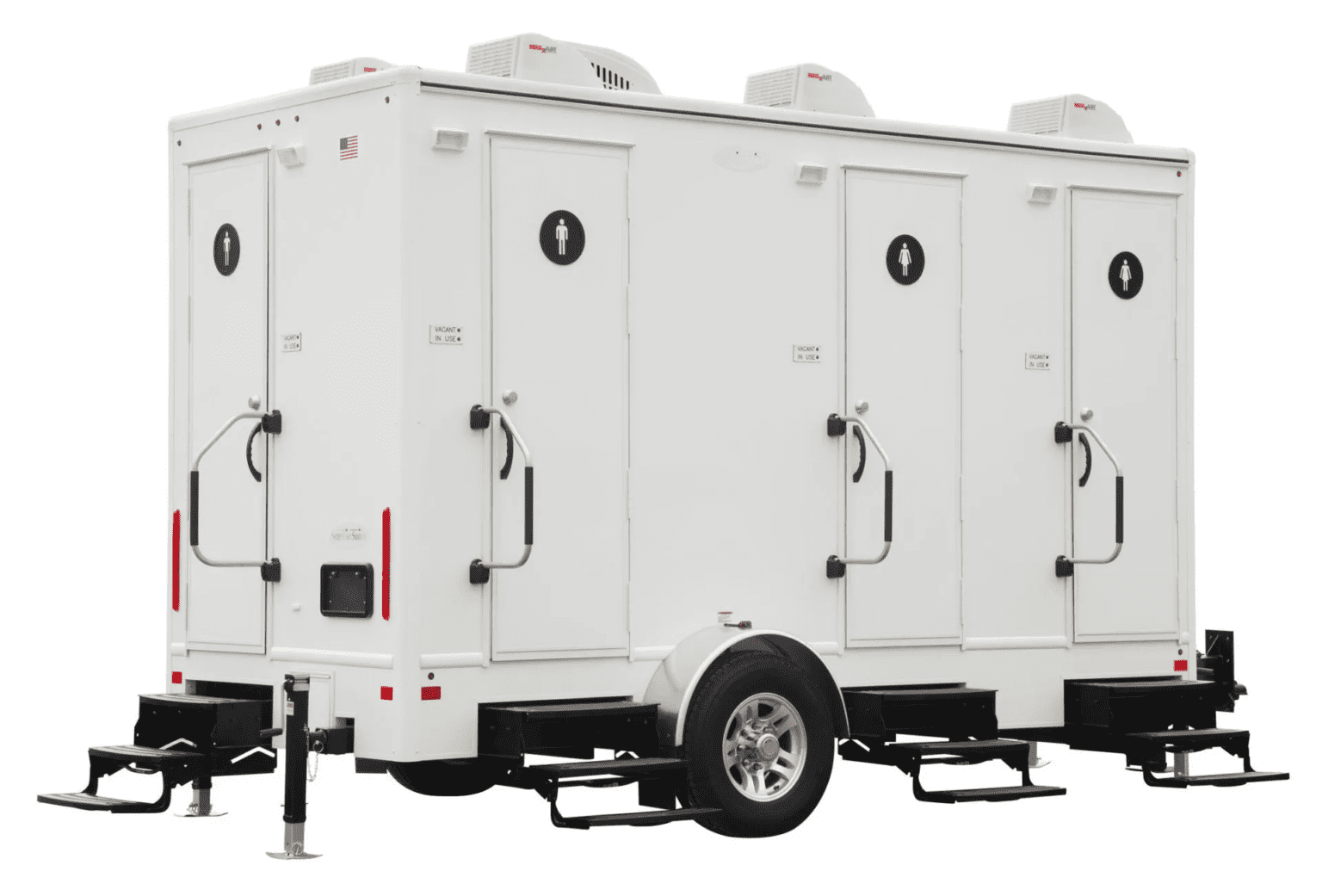
Designed for higher guest capacity, this unit offers four private, individual restrooms with flushing toilets, sinks with running water, interior lighting, and climate control. Ideal for weddings, festivals, and busy job sites.(We offer variants 2–10 stalls.)
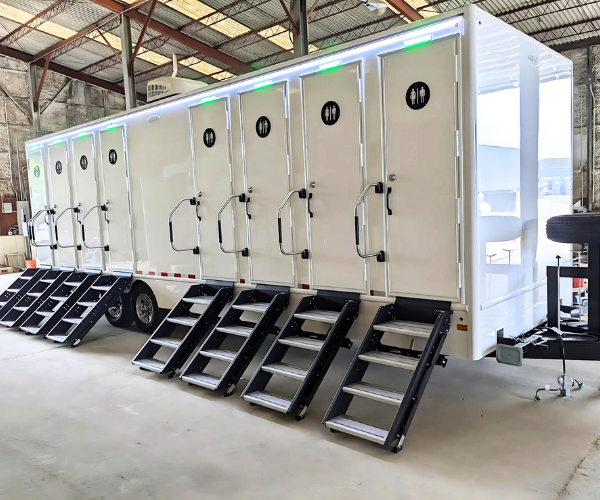
Perfect for large events and high-traffic sites, this spacious trailer provides eight private stalls, each with a flushing toilet, sink with running water, interior lighting, and climate control. A reliable, upscale solution for maximum convenience and comfort.(We offer variants 2–10 stalls.)
We Proudly Serve
Standard Portable Toilets
Event Solutions offers standard portable toilets across Texas, perfect for any event or construction site.
High Rise Portable Toilets
High Rise Portable Toilets in Manuel Benavides Municipality ensure convenience for elevated construction sites.
Restroom Trailers
Event Solutions provides premium restroom trailer services in Manuel Benavides Municipality for all occasions.
Roll off Dumpsters
Manuel Benavides Municipality Event Solutions offers roll-off dumpsters for efficient waste management.
Septic Tank Cleaning
Trust Event Solutions in Texas for dependable septic tank cleaning services to keep your systems running smoothly.
Grease Trap Cleaning
Grease Trap Cleaning with Event Solutions ensures optimal functionality and hygiene in Manuel Benavides Municipality, Texas.
Fencing & Barricades
Event Solutions in Texas offers durable fencing and barricades to secure your event or construction site.
Residential Storage
In Texas, Event Solutions now provides reliable residential storage solutions in the Manuel Benavides Municipality.
Manuel Benavides Municipality Restroom Trailer Rentals
Getting a quote for a Restroom Trailer rental and ensuring prompt delivery in Manuel Benavides Municipality has never been easier. Our streamlined process starts with a simple visit to our website, where potential customers can explore our wide range of services with just a few clicks. Users are invited to fill out a straightforward form, requiring minimal information such as name, contact number, and email address, located at the top and bottom of each page for convenience. Throughout our website, customers will find strategically placed "Get A Quote" buttons that facilitate easy access to our services.Once the form is complete, our dedicated team promptly follows up, offering personalized service to match the unique needs of every client. Our commitment to transparency ensures that every customer receives an accurate and competitive quote, reflecting our dedication to customer satisfaction. Whether for a construction site, a wedding, a corporate event, or a local festival, the process is designed to be quick and hassle-free.We pride ourselves on timely delivery, ensuring that your restroom trailers arrive when and where you need them. Thanks to our well-coordinated logistics and knowledgeable team, we guarantee a seamless experience from quote to service execution. The convenience of our process, coupled with our dedication to quality, makes us the leading choice for restroom trailer rentals in Manuel Benavides Municipality and surrounding areas.In choosing us, customers can be confident in receiving not only top-tier restroom facilities but also exemplary service that prioritizes their needs. Our years of experience and strong community presence underpin our ability to offer service that truly stands out.
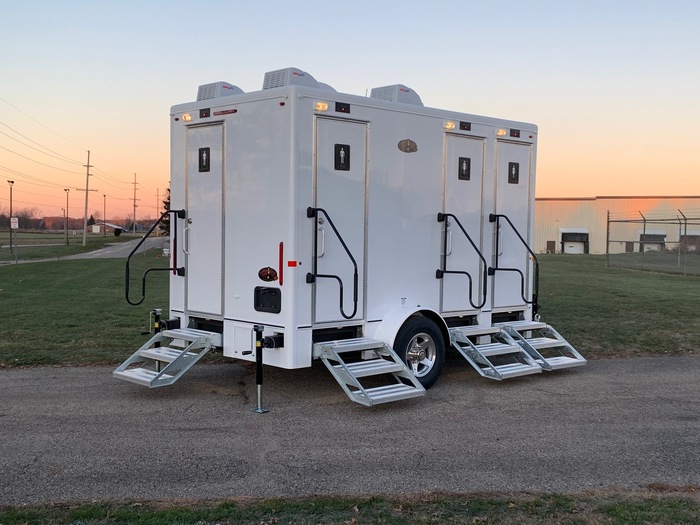
Experience the charm of Manuel Benavides Municipality with our unrivaled Restroom Trailer services, perfectly blending local allure with modern convenience. Whether you're attending the lively Sun City Music Festival or enjoying the scenic beauty of Big Bend Ranch State Park, our solutions cater to the area's outdoor enthusiasts, seamlessly enhancing community events and the diverse attractions nearby. Strategically located, our team is ready to deliver swift and dependable service, ensuring our Restroom Trailers elevate any occasion, from festive gatherings to intimate meetings. We pride ourselves on adapting to the unique characteristics of the region, offering services that support the vibrant lifestyle of Manuel Benavides. Our dedication to providing clean, reliable, and convenient sanitation facilities guarantees a superior guest experience. Choose our trailers for your event, confident in facilities crafted for comfort and efficiency, and discover why our Restroom Trailers are the preferred choice for event planners and locals alike.
Why choose our Restroom Trailer services in Manuel Benavides Municipality? Because we set the standard for excellence, with a strong commitment to quality and customer satisfaction. Our locally focused approach ensures that we meet the specific needs of our community with precision.Our trailers are sought-after for their superior design and functionality, perfect for any event size or type. We pride ourselves on delivering not only a product but a service that elevates any occasion, with unmatched reliability and professionalism. Choose us for an experience that epitomizes quality and dedication, making us the best choice in the area.
Our hallmark is fast and reliable Restroom Trailer services. Operating from Manuel Benavides Municipality, our team specializes in swift service, expertly managing everything from events to emergencies with remarkable speed and efficiency.By selecting our services, you gain a seamless experience where every detail receives meticulous attention, guaranteeing that our Restroom Trailers are set up both promptly and professionally. Our dedication to reliability and customer satisfaction delivers a consistently dependable service standard, regardless of your needs.
Learn More About Our Restroom Trailers in Manuel Benavides Municipality
Renting a Restroom Trailer in Manuel Benavides Municipality is made simple with our straightforward process, designed for convenience and efficiency. We have set up dedicated forms on our website, accessible both at the top and bottom of each page, to help streamline your rental experience. Using these forms, potential clients can easily fill in basic information, including their first name, last name, phone number, and email address, which allows us to tailor our service proposal to meet your specific needs.Once submitted, these forms are processed by our expert team, who will reach out promptly to provide personalized assistance. Our website also features multiple "Get A Quote" buttons, making it easy for users to request estimates swiftly. By clicking these buttons, visitors are guided seamlessly through the quoting process, receiving competitive and transparent pricing information tailored to the scope of their requirements.Our goal is to provide a hassle-free experience right from the first interaction, so our dedicated team ensures that all inquiries are addressed with clarity and care. Whether you are planning a large-scale event or simply require a temporary solution for a construction site, our team of experienced professionals is ready to support you by explaining options and helping with logistics planning.With an emphasis on customer satisfaction, we strive to provide thorough information on all aspects of our Restroom Trailer rentals, from availability and features to the delivery timetable and terms of service. This transparency helps reassure clients that they are making informed decisions and can rely on us for their sanitation needs.Thus, whether you're organizing a wedding, a corporate event, or a festival in Manuel Benavides Municipality, our streamlined rental process ensures you receive a premium sanitary solution with minimal effort. We are committed to providing an easy and effective rental experience, integrated with our commitment to exceptional customer service and client support.
The typical delivery timeframe for orders of our Restroom Trailer varies based on location, availability, and the specific requirements of each event. However, our commitment to prompt service means that we typically guarantee delivery within a few days of your confirmation. We understand the importance of timely service for events and on-site requirements, and our logistics team is dedicated to ensuring timely and accurate deliveries.Upon order placement, our efficient scheduling team works to minimize lead times, processing each request with urgency and precision. We prioritize customer needs by coordinating with our clients to establish a mutually agreeable delivery window, addressing any special requirements such as expedited service for last-minute bookings or setup in non-standard locations.While many factors can influence delivery times, including weather conditions and distance, we leverage a well-maintained fleet of trailers and a network of experienced drivers to ensure minimal disruption. Our team promptly communicates any potential changes, ensuring you are informed and can plan accordingly. Each delivery is executed with professionalism and care, aligning with our commitment to high service standards.We pride ourselves on maintaining a high level of operational reliability, reinforced by regular vehicle maintenance and routing efficiency, ensuring that our Restroom Trailers arrive in impeccable condition. Clients can confidently rely on our services and rest assured that their events will have the cleanliness and comfort provided by our facilities.For those with particularly tight schedules, we do offer premium delivery options. Reach out to our sales team to discuss how we can best accommodate your timeline. By emphasizing timely, effective service, we aim to provide peace of mind and assure that our process supports your planning needs efficiently.In summary, our company consistently aims to deliver Restroom Trailer orders promptly while maintaining clear, proactive communication throughout the process, ensuring you have the necessary facilities available when they are needed most.
We can efficiently service any event or construction project with our versatile facilities. Whether organizing a bustling festival, thrilling sporting event, or elegant wedding, our offerings cater to each occasion's specific needs. We proudly supply luxury restroom trailers, portable toilets, and supportive amenities, ensuring every guest feels comfortable.Our expertise extends to corporate gatherings and family reunions, where we provide tailored solutions for your special event. Partnering with us offers comprehensive service options, including roll-off dumpsters for effective waste management and fencing and barricades for optimal crowd control and security.We provide ADA-compliant units, portable sinks, and hand sanitizer stations to create a complete sanitation framework, enhancing accessibility and hygiene. Our broad range of rentals allows us to accommodate diverse demands, ensuring your event proceeds smoothly and successfully.For construction services, we offer solutions essential for maintaining clean and organized sites. Our Restroom Trailers and portable options help better manage construction projects by delivering crucial sanitary facilities on-site, improving worker conditions and operational efficiency.Committed to excellent service, we collaborate closely with event planners and construction managers to deliver reliable, efficient, and compliant services that highlight our dedication to quality. By choosing us, you ensure all areas of your event or site are seamlessly managed, with sanitation facilities capable of meeting any occasion's demands.
