Opting for portable toilets offers significant eco-friendly advantages that align with modern sustainability goals. Firstly, they significantly reduce water usage compared to traditional plumbing, as most portable toilets require no flushing. By conserving thousands of gallons of water annually, they lessen the environmental footprint, particularly in areas facing water scarcity. Moreover, modern portable toilets often utilize environmentally safe, biodegradable chemicals for waste breakdown, further minimizing ecological damage.Transporting portable units is also less costly in energy as they require simple logistics without extensive infrastructural changes. This reduction in energy consumption means lower carbon emissions during setup and removal phases. Furthermore, the materials used in constructing these units—predominantly recyclable plastics—contribute to a circular economy by promoting reuse and recycling initiatives.In addition, many portable toilet service providers have begun adopting solar-powered ventilation and lighting systems to enhance self-sufficiency in renewable energy. This consistent innovation within the industry encourages sustainable practices and offsets potential ecological adversities.Through partnerships with local waste management facilities, waste collected from portable toilets is treated and processed responsibly, potentially repurposing waste into eco-friendly fertilizers. This final stage of eco-friendly practices solidifies portable toilets as practical and sustainable choices for events, construction sites, and festivals.Considering their environmental benefits, portable toilets are not only a practical sanitation solution but also a significant step toward promoting green initiatives in urban and rural settings alike.

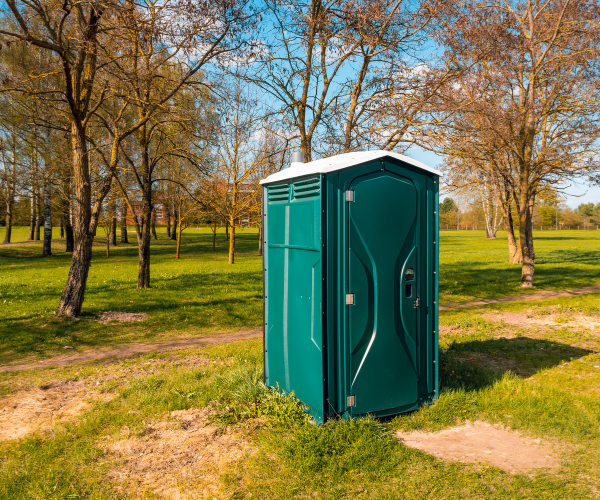
Portable Toilet Rentals in Iowa, Louisiana
Call today for a free quote (337) 270-0434
Portable Toilet
Fast, Easy, & 100% Free To Get Started
40 Years Of Experience
With over 40 years in the industry, our Portable Toilet company has earned a trusted reputation in Iowa, delivering quality services and fostering strong community ties. Our dedication to excellence guarantees satisfaction with every rental.
Top Quality Service
Our Portable Toilet company excels in delivering high-quality service, maintaining spotless and dependable units ready for your upcoming event. Count on us to consistently achieve excellence.
Speedy Delivery Guarantee
Count on our streamlined Portable Toilet rentals for fast, dependable delivery. Ensure your event stays on schedule with necessary sanitation facilities, all backed by our efficient service for your peace of mind.
Reliable Portable Toilet Services in Iowa, Louisiana
Call for a Free Quote Today
(337) 270-0434
Discover the unmatched convenience of our Portable Toilet rentals in Iowa and surrounding areas, including Lake Charles and Welsh. As a locally owned and operated business, we pride ourselves on dependability, reliability, and top-notch customer service. Whether you're planning a wedding, organizing a festival, or managing a construction site, our versatile solutions ensure a worry-free experience. From small gatherings to large public events, we provide clean, well-maintained units tailored to your needs. With a commitment to quality and customer satisfaction, we stand out as the preferred choice for Portable Toilet rentals in the region. Trust in our expertise to make your event seamless and enjoyable.

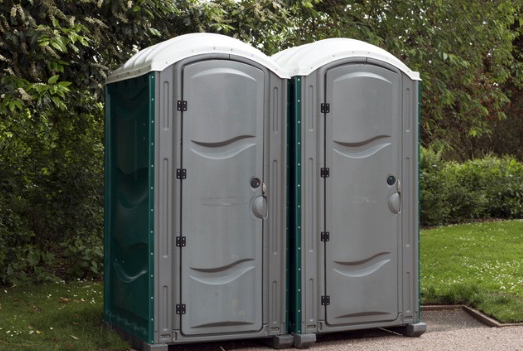
Our standard porta john rental units are durable and reliable for any commercial build site, housing development, public works project, or remodel job.Features include dome lighting, grated floors, and an “In-Use” locking mechanism for privacy and comfort. Regularly maintained, inspected, and cleaned by FusionSite at your location.
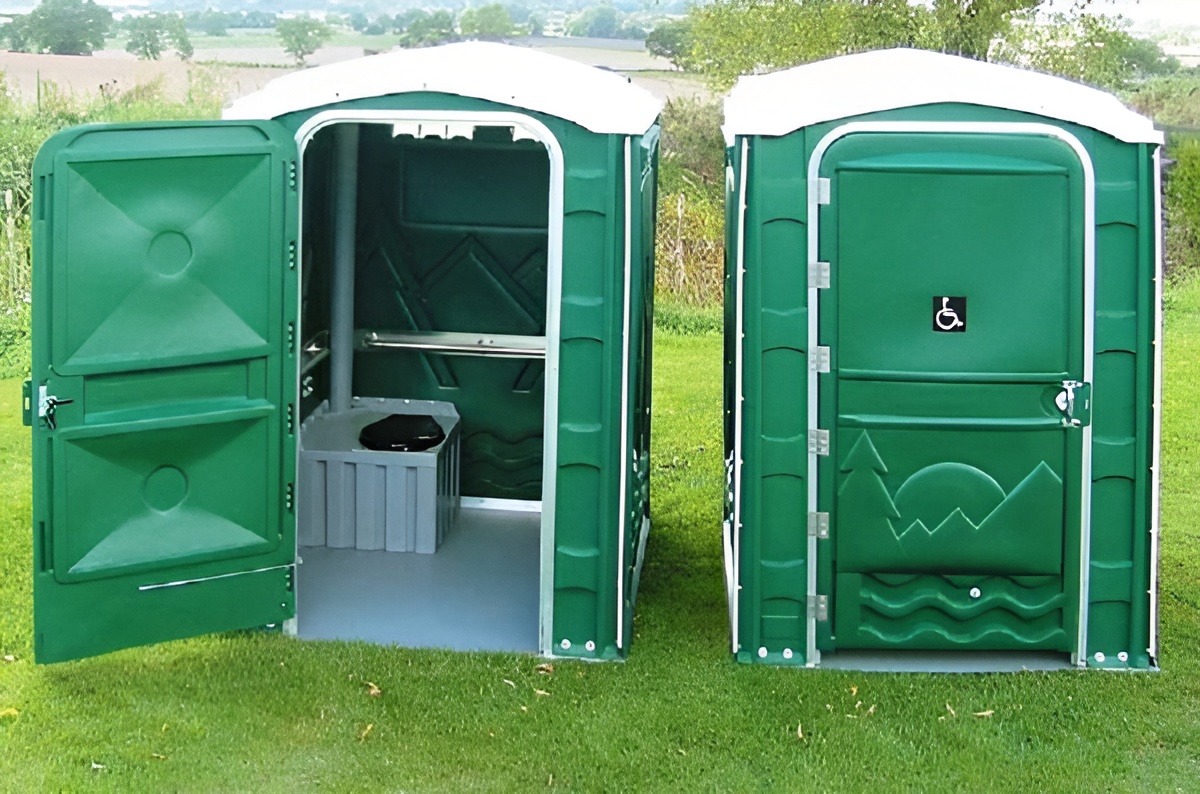
Developed as an alternative to full ADA-compliant restrooms, the Liberty is a spacious, wheelchair-accessible unit that can also be promoted as a family-sized restroom. Includes a patented flat-floor system for easy wheelchair access and maneuverability.Handrails, paper holder, and rotary latch are designed for simple, intuitive end-user operation.
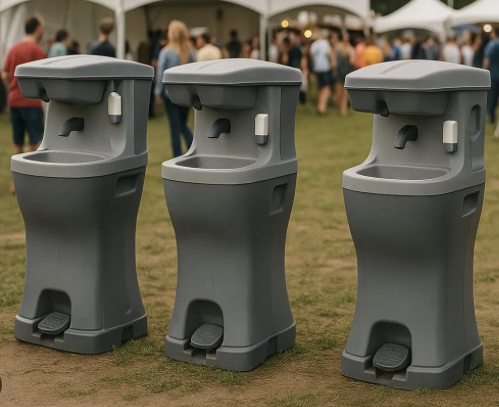
Portable hand washing stations are essential for keeping your work site sanitary and clean. Features hands-free foot pumps, liquid soap, and paper towels.Perfect for job sites without water hookups, these units can handle hundreds of washes between services.
We Proudly Serve
Standard Portable Toilets
Our Standard Portable Toilets offer practical, clean restrooms for events, construction, and more, ensuring convenience in Louisiana.
High Rise Portable Toilets
Designed for tall building sites, our High Rise Portable Toilets in Iowa provide safe, clean sanitation solutions in challenging locations.
Restroom Trailers
Our Restroom Trailers at Iowa offer luxury facilities for events, blending practical amenities with comfort and style.
Roll off Dumpsters
Keep sites tidy with our Roll off Dumpsters, efficiently handling waste at Event Solutions in Iowa.
Septic Tank Cleaning
Ensure your system functions smoothly with our expert Septic Tank Cleaning services available throughout Louisiana.
Grease Trap Cleaning
Our Grease Trap Cleaning in Iowa, Louisiana ensures your systems are clog-free and operational, catering to restaurants and more.
Fencing & Barricades
Protect perimeters with our Fencing & Barricades, available at Event Solutions in Louisiana for all safety and organizational needs.
Residential Storage
Our Residential Storage solutions in Louisiana offer space-saving convenience with secure, reliable options at Iowa.
Iowa Portable Toilets and More
Obtaining a quote and arranging delivery for a Portable Toilet couldn't be simpler. Start by filling in the easy-to-navigate forms available at both the top and bottom of our webpage. A few clicks on our prominent 'Get A Quote' buttons throughout the site connect you to our quick service. Inputting basic details such as your first and last name, phone number, and email ensures you're just a moment away from an exact estimate. Our streamlined process prioritizes your convenience, reducing hassle and enhancing efficiency. Highly trained staff are available to clarify any specifics, making sure that whether for a backyard gathering or large-scale public event, your needs are precisely understood. Delivery is professionally handled, leaving you stress-free and allowing your focus to remain on organizing a successful event.
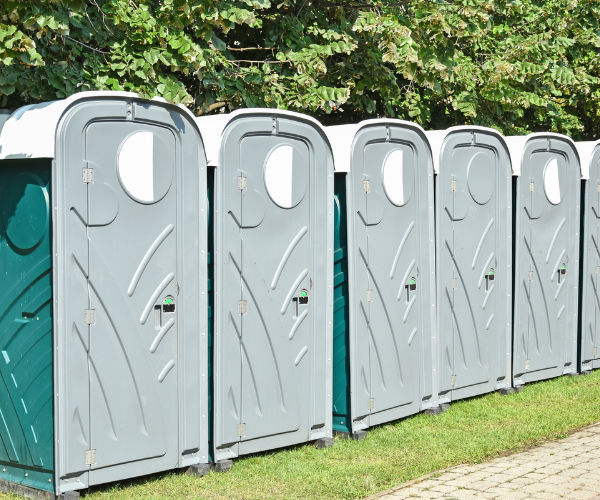
Embrace the local charm with our Portable Toilet services in Iowa. Positioned near the lively Iowa Rabbit Festival, we enhance outdoor gatherings with our unwavering commitment to quality. Whether celebrating amidst nature's splendor or participating in community events surrounded by Louisiana's lush landscapes, our units seamlessly integrate, offering discreet yet essential services without sacrificing aesthetics. Positioned as the top choice for sanitation solutions, our Portable Toilets in Iowa deliver unmatched reliability. Be it a seasonal festival or a spontaneous outdoor gathering, our solutions cater to the unique allure of this region. Clean, efficient, and strategically placed, they ensure a pleasant experience for both guests and hosts.
Your best choice for Portable Toilets in Iowa. We enhance events with sanitation solutions that prioritize customer-first practices, setting us apart. Our deep local expertise means we understand Iowa's distinct needs and characteristics, building trust through personalized service. From rural gatherings to city events, our units deliver reliability and comfort.Experience exceptional service with our offerings, designed to not just meet but exceed expectations. Choose us to elevate the guest experience with clean, dependable amenities crafted specifically for Iowa. As a local provider with global standards, we blend tradition and innovation for seamless events.
Fast, reliable service is the cornerstone of our portable toilet offerings. Our team maintains dedicated transit routes and employs efficient strategies to guarantee timely delivery, preparation, and placement of units at your event site. We address time-sensitive requests with precision and professionalism, tackling every logistical challenge with skilled solutions.Trust our extensive network and experienced personnel. Our commitment in Iowa ensures each delivery is responsible, bringing clean toilets to your location promptly as scheduled. Enjoy events without disturbance, supported by our comprehensive service, so you can focus on celebration, not logistics.
Learn More About Portable Toilets in Iowa
Renting a Portable Toilet in Iowa is an accessible process designed for ease and efficiency. Start by navigating to our website, where forms to commence the process are conveniently found at both the top and bottom of the page. By clicking the 'Get A Quote' button on any page, you'll be ushered into a simple, intuitive form asking for essential details: first name, last name, phone number, and email. These minimal requirements ensure a swift transaction, placing essential details right into our client database for smooth follow-up communication. Upon receipt, our dedicated team immediately evaluates the request, tailoring options based on specified needs and current inventory status. Furthermore, clients can anticipate a prompt response that encompasses logistics, compliance, and expected delivery schedules, providing a comprehensive overview in just a few clicks. For specific queries or orders, our contact lines ensure that expert service representatives remain available, guiding potential customers at every step of their rental journey.
When placing an order for Portable Toilets, understanding the typical delivery timeframe is imperative. Generally, we provide a seamless, expedited process specifically structured to meet client expectations. Once an order is confirmed, our logistics team immediately sets in motion all necessary steps to ensure prompt delivery. This includes assessing potential challenges related to delivery routes, site access, and unit availability.The timeframe for delivery often depends on the complexity and scale of the order with most deliveries occurring within 48 hours. Standard scenarios such as private parties or small-scale events are usually fulfilled quickly, often within the next business day. However, for large-scale orders or events requiring extensive setups, especially those happening in less accessible locations, a few additional days might be necessary to accommodate logistical demands.To maintain transparency, our team constantly communicates with the client, updating them on anticipated delivery windows, adjustments, or any unforeseen delays. Delivery schedules are also influenced by factors like local weather conditions and traffic patterns which we factor into our initial planning to mitigate any potential disruptions.Ultimately, our prioritized goal is to ensure that every Portable Toilet orders are delivered on time, maintaining our commitment to customer satisfaction and reliability. Flexibility in scheduling and a foundation of strong communication provide the backbone of our professional delivery services.
Yes, we are able to service a wide range of events and construction services with our Portable Toilets. From vibrant festivals or sporting events attended by thousands to intimate weddings and corporate gatherings, our versatile solutions suit any occasion seamlessly. Portable Toilet units cater to both standard needs and luxury preferences, including our impressive, high-end restroom trailers that bring added sophistication to any event.For construction or infrastructure projects, we maintain sturdy, efficient units designed to withstand the rigorous demands of construction sites, including roll-off dumpsters and holding tanks for comprehensive on-site sanitation management. ADA units, portable sinks, and hand sanitizer stations ensure all attendees and workers maintain hygiene and comfort, regardless of event type or size.Our extensive experience in logistics and site management expertise means we're not only equipped to deliver, but our coordination and efficiency typically exceed client expectations. Specialized knowledge of local regulations and compliance issues ensures safe, authorized operations at every event. Partnership with venues and stakeholders allows us to develop customized service offerings that reflect our adaptability and commitment to excellence.
