Portable toilets offer several eco-friendly advantages that make them a sustainable choice for events, construction sites, and outdoor locations. Firstly, they significantly reduce water usage compared to traditional toilets, as they are designed to use little to no water per use, minimizing wastage. This makes them ideal for areas facing water scarcity or for large events aiming to conserve resources. Portable toilets also incorporate waste treatment chemicals that manage odors and accelerate the breakdown process, enhancing sanitation without harming the environment. Moreover, many modern units are constructed from recycled materials, further reducing their carbon footprint. Their design reduces the ecological impact by maintaining hygiene without the need for plumbing infrastructure, which can be invasive to natural landscapes. Furthermore, they help contain human waste, preventing it from contaminating nearby ecosystems and groundwater. By alleviating the need for extensive sewage systems and minimizing emissions associated with traditional restroom facilities, portable toilets represent an innovation aligned towards meeting the demands of eco-conscious societies. As sustainable solutions become increasingly prioritized, embracing portable toilets for environmental advantages becomes a practical consideration across various sectors.


Portable Toilet Rentals in Jefferson County, Louisiana
Call today for a free quote (337) 270-0434
Portable Toilet
Fast, Easy, & 100% Free To Get Started
Over 20 Years of Excellence
Leveraging over 20 years of expertise, we deliver high-quality Portable Toilet services in Jefferson County. Our strong community ties and commitment to excellence guarantee reliable service with each interaction.
Dedicated to Quality Service
We prioritize delivering exceptional service that fulfills every sanitation requirement. Each Portable Toilet is meticulously maintained to ensure top-notch cleanliness and comfort.
Fast and Efficient Delivery
Count on us for swift delivery of portable toilets, guaranteeing seamless event operations without delays. We ensure timely, efficient service to enhance your experience.
Reliable Portable Toilet Services in Jefferson County
Call for a Free Quote Today
(337) 270-0434
For all your temporary sanitation needs in Jefferson County, our portable toilet rentals stand out due to our exceptional dependability, locally owned expertise, and dedication to reliability. Whether you're managing a construction site, organizing a lively festival, or celebrating a memorable wedding, our clean and well-maintained units are perfect for any occasion. Galliano, Gretna, and Marrero are just around the corner, making our services accessible to the entire region. Choose us for your next event and experience the convenience and professionalism that come from supporting a local business rich in community ties.
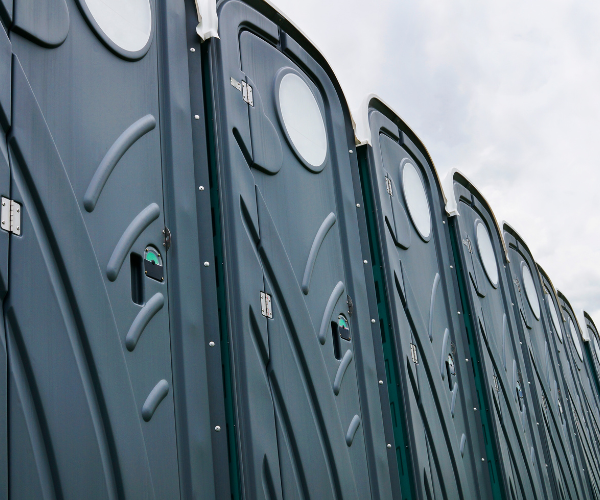
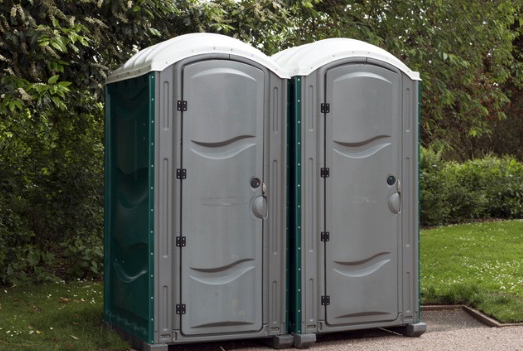
Our standard porta john rental units are durable and reliable for any commercial build site, housing development, public works project, or remodel job.Features include dome lighting, grated floors, and an “In-Use” locking mechanism for privacy and comfort. Regularly maintained, inspected, and cleaned by FusionSite at your location.
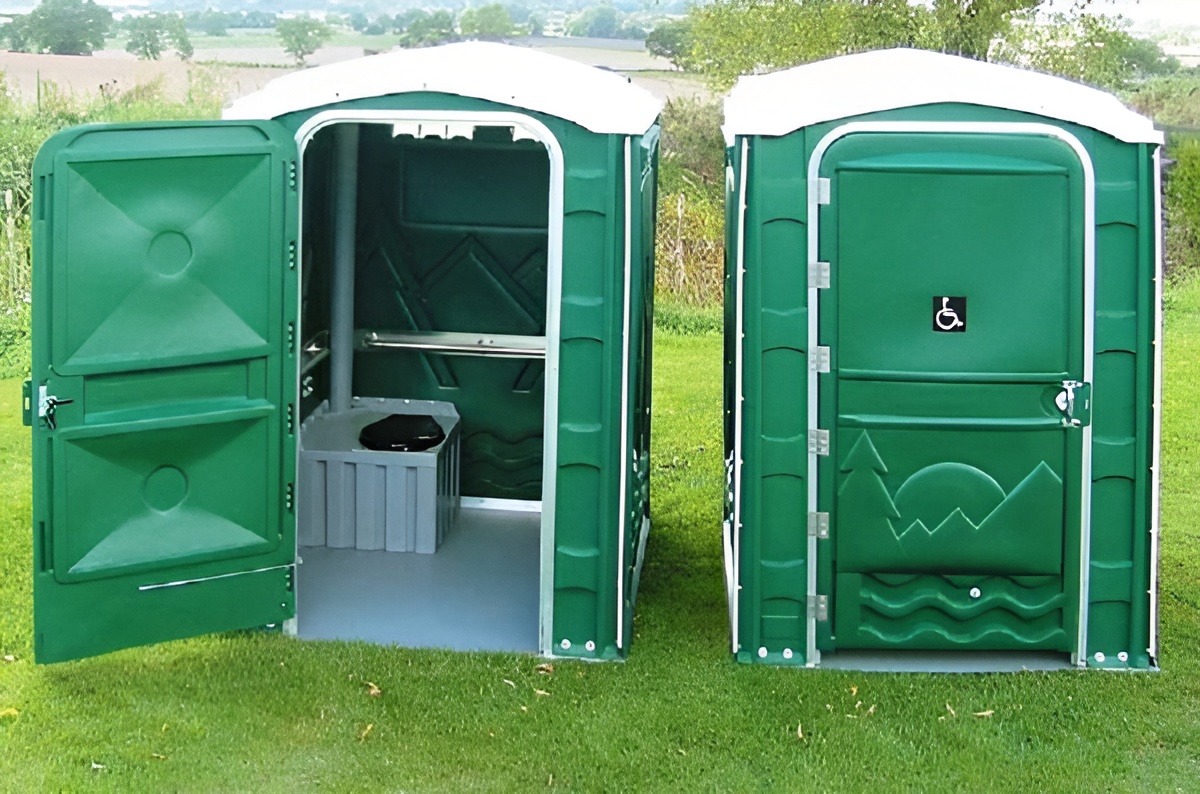
Developed as an alternative to full ADA-compliant restrooms, the Liberty is a spacious, wheelchair-accessible unit that can also be promoted as a family-sized restroom. Includes a patented flat-floor system for easy wheelchair access and maneuverability.Handrails, paper holder, and rotary latch are designed for simple, intuitive end-user operation.
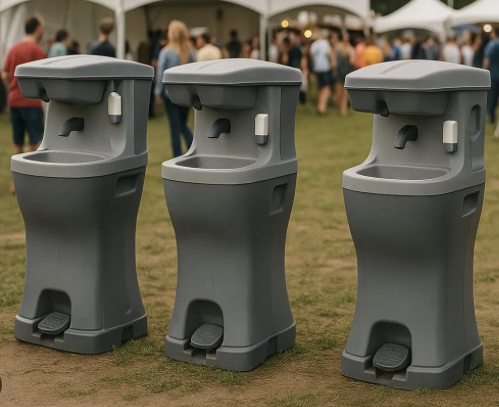
Portable hand washing stations are essential for keeping your work site sanitary and clean. Features hands-free foot pumps, liquid soap, and paper towels.Perfect for job sites without water hookups, these units can handle hundreds of washes between services.
We Proudly Serve
Standard Portable Toilets
Providing standard portable toilets for events and construction sites, ensuring cleanliness and convenience in Louisiana.
High Rise Portable Toilets
Supplying high rise portable toilets in Jefferson County for construction sites requiring elevated sanitation solutions.
Restroom Trailers
Offering luxurious restroom trailers for events in Jefferson County through Event Solutions.
Roll off Dumpsters
Delivering reliable roll off dumpsters for waste management at Event Solutions in Jefferson County.
Septic Tank Cleaning
Expert septic tank cleaning services available throughout Louisiana with Event Solutions.
Grease Trap Cleaning
Efficient grease trap cleaning services for Jefferson County kitchens, keeping operations smooth and sanitary.
Fencing & Barricades
Dependable fencing and barricade rentals by Event Solutions, providing safety and security across Louisiana.
Residential Storage
Flexible residential storage solutions available in Jefferson County, Louisiana.
Jefferson County Sanitation Solutions
Obtaining a quote and arranging delivery for portable toilets has never been this convenient. In Jefferson County, our process is streamlined to offer quick and hassle-free service, so you can focus on other event details. Simply click the 'Get A Quote' button on our website and fill out your name, email, phone number, and event details to gather your custom quote. Our local team will quickly respond, helping plan and execute the delivery efficiently, accommodating your schedule. We prioritize punctual delivery, ensuring clean, fully-stocked units arrive promptly. Our customer service is ready to answer any questions, providing reassurance that you are receiving the best value in the portable toilet market. Committed to serving construction sites, public events, and private gatherings, we offer both competitive pricing and reliable service to meet the needs of every client.
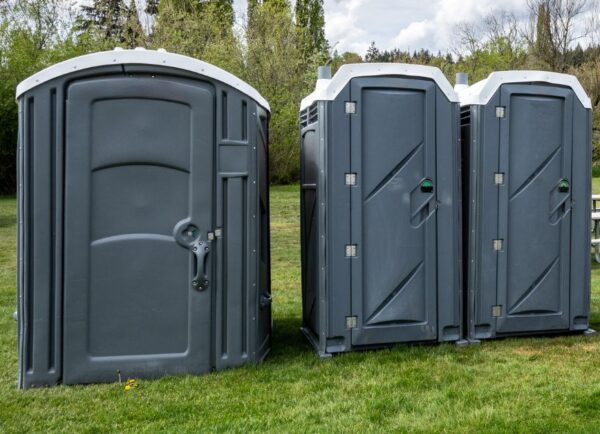
Introducing portable toilets that cater specifically to the vibrant lifestyle of Jefferson County. Whether you're attending the lively Gretna Heritage Festival or enjoying the scenic beauty of Lafreniere Park, we provide reliable sanitation solutions to enhance any occasion. Our portable toilets are designed to blend seamlessly into charming local settings, ensuring privacy and cleanliness for guests. Jefferson County's connection to nature and community spirit shines through our services. Each unit we deliver is spotless and ready to meet the demands of large gatherings, making them ideal for festivals, weddings, and family reunions. By choosing our portable toilets, you're opting for a service deeply rooted in the local community, committed to preserving the area's unique allure. Each rental promotes sustainability and comfort, aligning with the pristine environment Jefferson County is renowned for.
Discover why we are the premier choice for portable toilet rentals in Jefferson County. Our unwavering dedication to delivering clean, well-maintained units, coupled with personalized service, distinguishes us from others. As a locally owned business deeply familiar with Louisiana's community needs, we take pride in offering tailored solutions for every event. This understanding empowers us to meet the diverse needs of our clients. Our friendly, responsive team stands ready to assist, ensuring a seamless and hassle-free experience. From consultation through delivery and pick-up, our approach leaves a lasting impression, making us the top choice for both residents and visitors.
We recognize the critical role speed plays in delivering portable toilets. In Jefferson County, we dedicate ourselves to providing swift and efficient sanitation solutions. Our seasoned logistics team sets up quickly, so you can concentrate on your event without disruptions. We adhere to a schedule that respects your timing and maintains your site's sanitation and efficiency. Dependability is essential, and our team ensures your portable toilets arrive punctually, equipped with all necessary supplies tailored to your specific requirements.
Jefferson County: Discover More About Our Portable Toilets
Renting a portable toilet in Jefferson County with us is straightforward and convenient. Begin by visiting our website and filling out one of the forms provided at both the top and bottom of the page. These forms require basic information including your first name, last name, phone number, and email to process your request efficiently. Alternatively, you can benefit from the multiple 'Get A Quote' buttons located throughout our site for a quick solution tailored to your needs. Each inquiry goes directly to our local team, ensuring rapid responses and thorough assistance. By capturing crucial event details upfront, you can swiftly receive accurate quotes reflecting your specific rental requirements. We emphasize seamless customer experiences, resulting in fast processing and hassle-free planning. This commitment to simplicity has earned us a strong reputation in Jefferson County as a trusted provider amid diverse sanitation challenges. Leverage our user-friendly online hub for renting portable toilets and experience clarity, speed, and dependability in provisioning essential sanitary solutions.
Delivering your portable toilet rental on time is our priority. Usually, orders within Jefferson County and surrounding areas can expect a swift turnaround due to our strategically located facilities. Delivery can often occur within 24 to 48 hours from confirmation, ensuring your portable toilets arrive well ahead of your event or project needs. We also offer same-day delivery options for emergencies, subject to availability. Equipped with a seasoned logistics team familiar with the local terrain, we navigate Jefferson County efficiently, minimizing potential delays. Each delivery is confirmed with you beforehand to ensure alignment with access and placement preferences, optimizing installation success. Once the portable toilets are delivered, our team is ready for immediate setup according to your specifications. This proactive approach guarantees sanitation facilities are in pristine condition and operational from their first use. Monitoring schedules with reliable communication strengthens our service reliability across all scenarios. Implementing stress-free and timely logistics enhances your overall event execution without worrying about sanitation limitations.
Yes, we proudly offer our services to accommodate a variety of events and construction services. Our extensive inventory includes portable toilets and luxury restroom trailers, ensuring we have suitable facilities for any occasion. From vibrant festivals and high-energy sporting events to elegant weddings and formal corporate gatherings, we cater to diverse audiences with unrivaled attention to detail. Wedding planners appreciate our selection of restroom trailers for their upscale appeal, while event coordinators and contractors value the practical options like porta-potties and roll-off dumpsters available for more industrial settings. Additionally, we supply ADA units, portable sinks, and hand sanitizer stations to uphold hygiene standards where crowds gather. Our fencing and barricades are also great for maintaining safe and secure environments. Conveniently positioned throughout Jefferson County and beyond, our solutions are expertly designed to ensure satisfaction with every engagement. Our mission is to enhance event experiences through clean and dependable sanitation, supporting community events, public projects, and private affairs alike.
