Portable Toilets offer numerous eco-friendly advantages that often go overlooked. By using portable sanitation solutions, water conservation is significantly enhanced. Unlike traditional restrooms, which can consume hundreds of gallons per day, portable toilets use chemical solutions to break down waste and require minimal water for maintenance, thus conserving this precious natural resource.Additionally, the sanitation chemicals utilized in portable toilets are designed to accelerate waste decomposition while neutralizing odors, contributing to a reduced environmental footprint. New advancements in these chemical formulations ensure they are biodegradable, further minimizing their impact on the environment.Deploying portable toilets at large events or construction sites also centralizes waste collection, thereby reducing the instances of waste entering natural water systems. Waste is collected systematically and disposed of in accordance with environmental regulations, ensuring it is treated and managed properly.Moreover, portable toilets support green initiatives by reducing the infrastructure footprint. Events or sites with limited resources or sensitivity to ecological disruption greatly benefit from portable sanitation units. This means there is less need for constructed bathroom facilities, which can lead to habitat destruction or undue environmental stress.Proper waste management facilitated by portable toilets plays a key role in maintaining hygiene and ecological balance. Whether in rustic outdoor settings or busy urban sites, portable toilets can be strategically implemented to enhance sanitation while respecting ecological constraints.The energy-efficient production and recyclable design of many modern portable toilets also contribute to sustainable practices. Built with eco-friendly materials, these units aim to leave no lasting environmental impact once their lifecycle is complete, emphasizing the industry's commitment to sustainable advancement.In summary, portable toilets serve as practical, environmentally conscious facilities that reduce water usage, manage waste responsibly, and offer adaptable solutions for diverse applications. They aid in creating a greener footprint by combining efficiency with sustainability, providing essential services while minimizing environmental disruption.

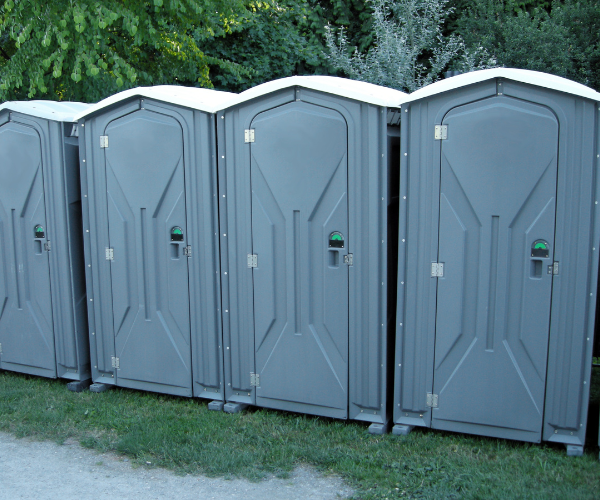
Portable Toilet Rentals in St. Landry Parish, Louisiana
Call today for a free quote (337) 270-0434
Portable Toilet
Fast, Easy, & 100% Free To Get Started
Over 14 Years of Experience
Our 14 years of experience and strong community connections in St. Landry Parish distinguish us. We take pride in delivering reliable, comprehensive service tailored to satisfy our customers' needs.
Exceptional Quality Service
We guarantee exceptional service, ensuring our portable toilets are always clean, well-maintained, and ready for any occasion. Our focus on quality provides peace of mind for your events.
Speedy and Reliable Delivery
Experience the convenience of quick and reliable delivery with our portable toilet services. We ensure prompt arrival of units to meet your schedule and event requirements.
Reliable Portable Toilet Options in St. Landry Parish
Call for a Free Quote Today
(337) 270-0434
Our locally owned portable toilet services in St. Landry Parish offer dependable and top-quality sanitation solutions. Serving construction sites, weddings, festivals, and private parties, we provide clean and durable units to ensure the success of your event. Our unwavering commitment to nearby areas delivers seamless and professional service, making us your preferred choice. We prioritize your peace of mind with reliable deliveries and consistent maintenance. Trust us for your next event's portable toilet needs, and experience exceptional service that stands out.
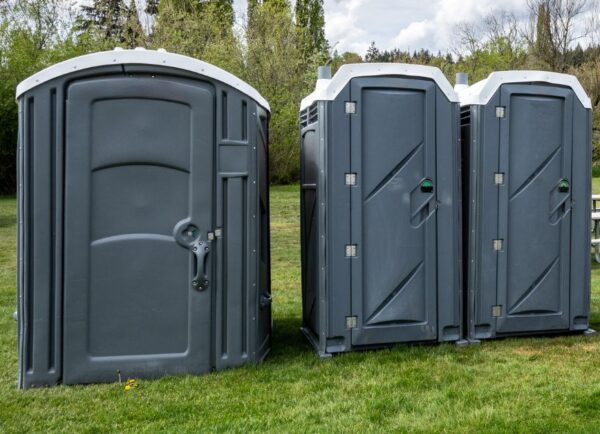
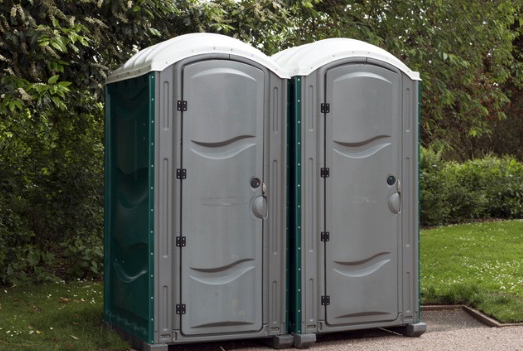
Our standard porta john rental units are durable and reliable for any commercial build site, housing development, public works project, or remodel job.Features include dome lighting, grated floors, and an “In-Use” locking mechanism for privacy and comfort. Regularly maintained, inspected, and cleaned by FusionSite at your location.
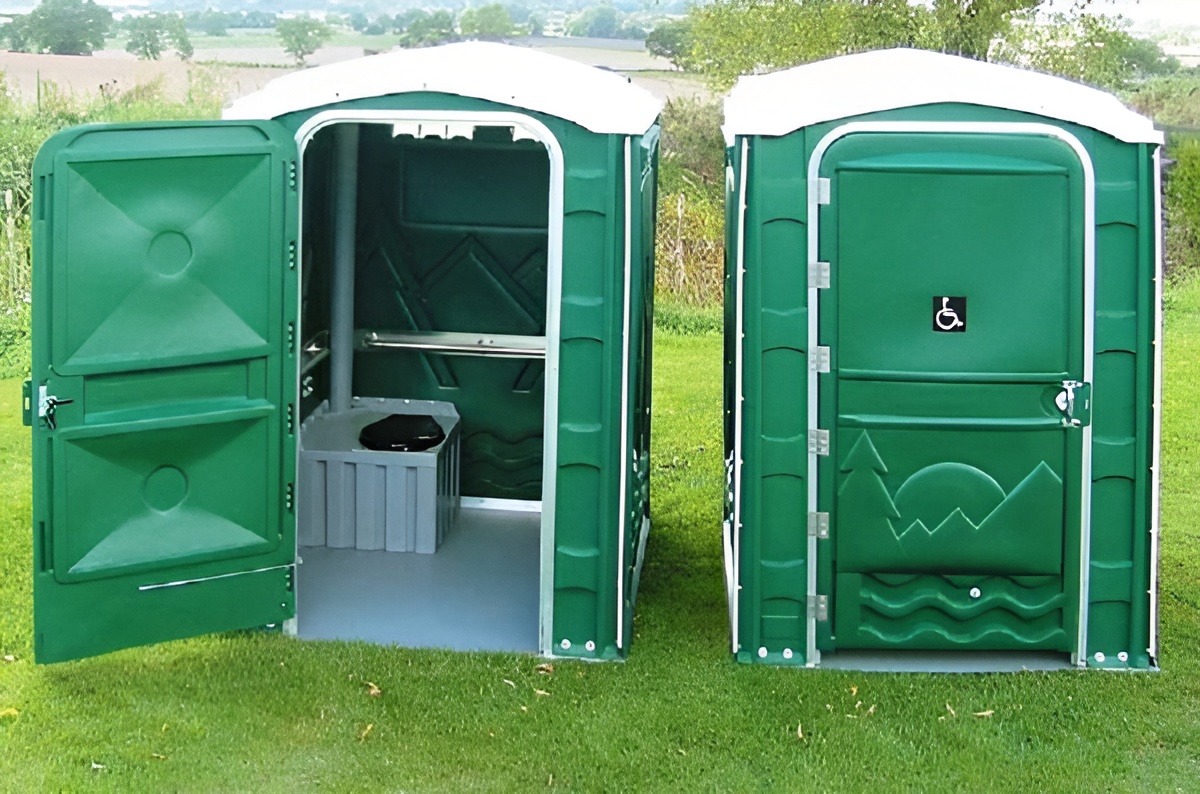
Developed as an alternative to full ADA-compliant restrooms, the Liberty is a spacious, wheelchair-accessible unit that can also be promoted as a family-sized restroom. Includes a patented flat-floor system for easy wheelchair access and maneuverability.Handrails, paper holder, and rotary latch are designed for simple, intuitive end-user operation.
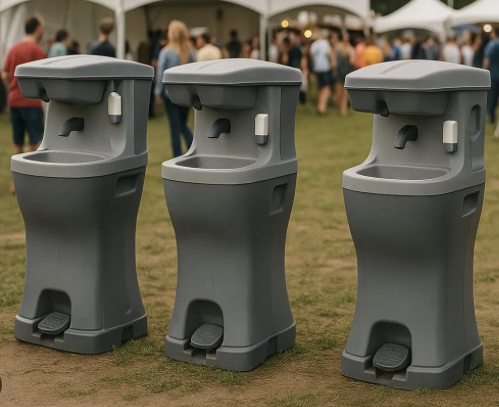
Portable hand washing stations are essential for keeping your work site sanitary and clean. Features hands-free foot pumps, liquid soap, and paper towels.Perfect for job sites without water hookups, these units can handle hundreds of washes between services.
We Proudly Serve
Standard Portable Toilets
Standard Portable Toilets from Event Solutions provide basic and essential sanitation for temporary outdoor needs in Louisiana.
High Rise Portable Toilets
Convenient for construction projects, our High Rise Portable Toilets accommodate the vertical challenges in St. Landry Parish.
Restroom Trailers
Our Restroom Trailers provide luxurious and spacious facilities ideal for weddings and events in St. Landry Parish.
Roll off Dumpsters
Event Solutions offers reliable Roll off Dumpsters to efficiently manage waste at any site in St. Landry Parish.
Septic Tank Cleaning
Event Solutions provides expert Septic Tank Cleaning services to maintain system health across Louisiana.
Grease Trap Cleaning
Keep kitchen operations flowing smoothly with Event Solutions' professional Grease Trap Cleaning in St. Landry Parish.
Fencing & Barricades
Event Solutions offers robust Fencing & Barricades to ensure site security and efficiency throughout Louisiana.
Residential Storage
Our Residential Storage service offers secure and convenient storage solutions in Louisiana's St. Landry Parish.
St. Landry Parish Portable Sanitation Solutions
Obtaining a quote and arranging delivery for our portable toilets is straightforward and convenient, ensuring a seamless rental process. By simply filling out the necessary form located at both the top and bottom of our website pages, providing your first name, last name, phone number, and email, you can easily initiate the rental process. The 'Get A Quote' buttons, prominently displayed throughout our site, further streamline this procedure, allowing quick access to our team for any inquiries.This user-friendly approach reflects our commitment to excellent customer service, making our portable toilets easily accessible. By targeting key contact points, we simplify the process to meet the demands of various clients, whether for small gatherings or large-scale events. Our efficient methods ensure that your portable toilet rental experience is as stress-free as possible.Additionally, each step in this process is designed to minimize delays, with our team prepared to assist in tailoring services to your unique needs. By offering diverse rental options, from single-day to long-term events, we cater to a wide range of requirements, ensuring our solutions are both accessible and adaptable.Choosing our company means benefiting from a streamlined, client-centered approach, underpinned by a robust system aimed at effective communication and efficient service delivery. Experience how effortless it is to secure and schedule portable toilet delivery, exemplifying our dedication to fulfilling your sanitary needs promptly and accurately.
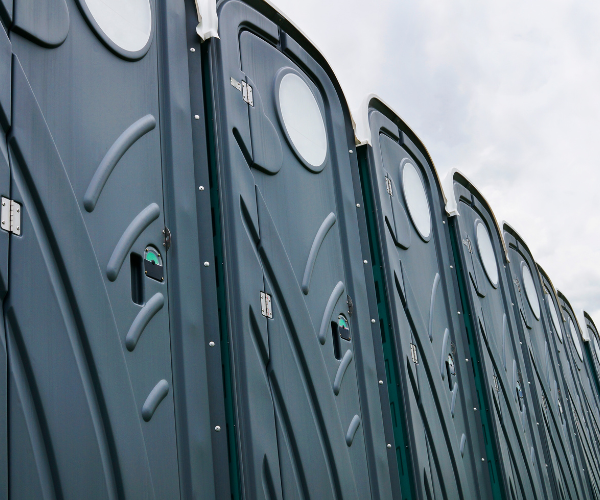
Explore the local charm of St. Landry Parish with our reliable portable toilet services. Perfect for outdoor occasions surrounded by the natural beauty of Louisiana, we enhance every event with clean, convenient facilities. Whether hosting community events or personal gatherings, our portable toilets ensure comfort for all guests. St. Landry Parish, known for the vibrant Festival International de Louisiane and the historic Opelousas Courthouse, offers a rich tapestry of traditions and outdoor attractions that call for experienced, dependable service. Our portable toilets cater to this need, supporting local festivities and ensuring a pleasant experience for visitors. From scenic gatherings to dynamic community events, we deliver sanitation solutions tailored to enrich St. Landry's unique charm. Benefitting from our locally-focused service, you gain not just equipment but a commitment to excellence synonymous with our name in the area. We stand out as the top choice for portable toilets, guaranteeing satisfaction and quality that uphold the character and spirit of St. Landry Parish.
Why trust us in St. Landry Parish? Our portable toilet services demonstrate our deep-rooted expertise and unwavering local commitment, setting the standard for excellence. With a focus on quality and our community, we have become a trusted provider for many.As a local business, we grasp the intricacies of delivering top-notch service in St. Landry Parish. This understanding allows us to manage portable toilet rentals meticulously, catering to varied local needs with dependable reliability.By choosing us, you receive the assurance of clean, comfortable solutions tailored to your needs, as we partner closely with you to achieve outstanding results.
Fast and reliable portable toilet services distinguish us in St. Landry Parish, Louisiana. We customize delivery plans to offer swift setups, aligning perfectly with your timelines.Dependability defines us. Each unit arrives pristine and meticulously maintained, guaranteeing satisfaction at every event. Our service team excels in delivering efficient and professional solutions, ensuring smooth operations at every stage.
St. Landry Parish Learn More About Our Portable Toilet
Renting a Portable Toilet in St. Landry Parish is a straightforward and efficient process designed to cater to your event's or project's specific needs. Begin by visiting our user-friendly website, where you can access a simple form located conveniently at both the top and bottom of our pages. This form requires basic information including your first name, last name, phone number, and email address, facilitating seamless communication.Throughout our site, 'Get A Quote' buttons are strategically placed to offer you direct access to our team, enabling prompt responses to inquiries and assistance in selecting the right rental options for your occasion. This proactive approach ensures your requirements are promptly met with suitable solutions tailored to any scale of events, from intimate gatherings to sprawling festivals.Once your details have been submitted, a dedicated specialist will promptly reach out to discuss the specifics of your rental, schedule, and custom needs. Our customer-centric philosophy means you can count on personalized advice aimed at optimizing your experience with our services.The simplicity of our online form and prompt follow-up from our team enhance accessibility and ensure that the process of securing a portable toilet is as smooth and efficient as possible. Flexible rental terms and site-specific guidance stand as cornerstones of our commitment to customer satisfaction.We are proud to offer transparent pricing and detailed consultations to ensure each rental aligns perfectly with your functional and logistical needs. Our mission is to transform the process of renting portable toilets into a stress-free, reliable experience.Engaging with our service means adopting a hassle-free solution backed by a reputation for excellence in the sanitation sector. Leverage our expertise and discover why we are the preferred rental choice for portable toilet needs across St. Landry Parish.
The typical delivery timeframe for Portable Toilet orders is designed to be flexible and accommodating, making it easy to plan and execute your event or project without unnecessary stress. We understand the importance of timing, and we prioritize efficient service to meet your scheduling needs.Once a rental agreement is confirmed, our team coordinates with you to set a delivery schedule that aligns with your event's start time or project phase. Given our extensive experience, we ensure that our logistics process is streamlined and effective, resulting in timely deliveries that you can rely on.For standard orders, deliveries are generally arranged within 24 to 48 hours, depending on your location and specific requirements. However, for urgent needs or larger events, our team is equipped to expedite the process, offering rapid delivery options to ensure you are never left waiting. Our efficient scheduling is part of our commitment to customer satisfaction.We maintain a robust inventory of portable toilets, which allows us to accommodate a wide range of requirements promptly. Our fleet is prepared to handle singles, multiples, or any custom configurations you might need, ensuring readiness and availability for any situation.Throughout the delivery process, we keep communication open to address any questions or concerns, ensuring a seamless experience. Our trained staff handles all logistics, from careful transportation to proper unit placement, ensuring optimal functionality from the moment of arrival.In addition to responsive delivery, we also offer flexible pick-up arrangements post-event or project completion, adapting to your timelines and providing a hassle-free service experience from start to finish. Our process is geared to uphold our promise of quality and reliability across all stages of service.Your peace of mind is paramount, and with our precise coordination and dependable service, you can focus on your main priorities, knowing the logistics of sanitation are expertly managed for a successful event.
Yes, we can service any type of event or construction service, providing comprehensive solutions for a broad spectrum of needs. Our expertise spans small gatherings to large-scale festivals, sporting events, weddings, and corporate functions, ensuring we meet diverse requirements with our top-quality portable toilet rentals.We offer a wide array of products tailored for various settings, including luxury restroom trailers equipped to provide VIP experiences, ADA units for enhanced accessibility, and standard porta potties for simplified usage. Our portfolio also includes portable sinks, hand sanitizer stations, and holding tanks, facilitating full-service sanitation support.Construction sites of all types benefit from our specialized equipment, such as high-rise portable toilets which are designed to accommodate unique locator challenges and regulatory compliance. We provide comprehensive solutions suitable for dynamic work demands, ensuring every site is managed effectively.For event planners, we offer tailored rental packages optimized for crowd size, event type, and duration, crafting individualized approaches that guarantee comfort and convenience for all guests. Whether hosting family reunions, private parties, or broad community initiatives, our adaptability to clients' visions is unrivaled.Our reliable service extends beyond just rentals, encompassing timely delivery, efficient setup, and thorough post-event collection, allowing for a complete, hassle-free experience. No matter the venue, our portable toilets elevate the standard of sanitation while preserving the uniqueness and spirit of each event.With a strong commitment to reliability, quality, and comprehensive customer care, we empower you to focus on enjoying or running your event smoothly. Trust us as your partner, and rest assured that your sanitation needs are met with excellence.
