The use of portable toilets offers several eco-friendly advantages that contribute significantly to environmental sustainability. First, they conserve water. Unlike traditional toilets that use gallons of water with each flush, portable toilets operate without the need for continual water usage, greatly reducing water waste. Secondly, these units are designed to contain waste efficiently, minimizing the risk of soil and water contamination. The advanced chemical treatments used in portable toilets help to break down waste, controlling the odor and promoting an environmentally safe waste processing method. Additionally, portable toilets are often made from recycled materials, which supports the recycling industry and reduces the carbon footprint of manufacturing. By using portable sanitation solutions, events and construction sites can maintain sanitation standards without the infrastructure and energy costs associated with permanent restrooms. Furthermore, their versatility and ease of transport ensure they can be located in a manner that minimizes environmental disruption. Finally, with modern advances, some portable toilets now come equipped with solar-powered features or biodegradable options, pushing the boundaries towards even greener options in portable restrooms. These units serve as a practical choice for environmentally conscious organizations looking to minimize their impact while meeting their sanitation needs.

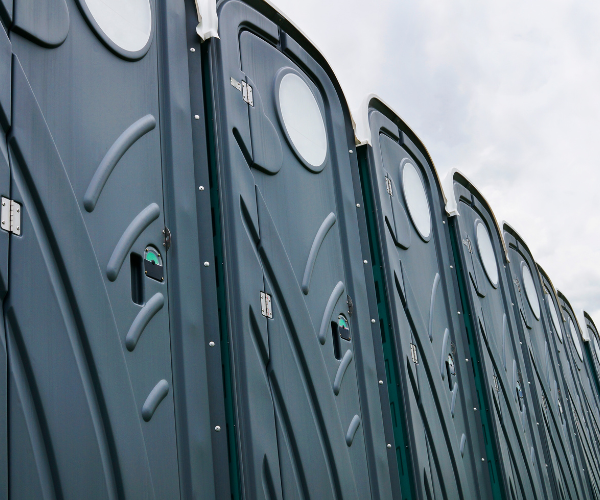
Portable Toilet Rentals in St. Martinville, Louisiana
Call today for a free quote (337) 270-0434
Portable Toilet
Fast, Easy, & 100% Free To Get Started
Over 14 Years of Excellence
For more than 14 years, we have built strong community ties in St. Martinville, Louisiana, by consistently delivering exceptional service. Event Solutions commits to providing reliable and professional support, customized to surpass our clients' expectations.
Quality Service Guaranteed
Our commitment to providing exceptional service is second to none. We ensure that every portable toilet rental meets the highest standards of cleanliness and functionality, delivering customer satisfaction every time.
Fast and Reliable Delivery
Our quick and reliable delivery ensures your portable toilet needs are met efficiently. Committed to punctuality, our team prioritizes on-time service for each client.
Convenient Portable Toilet Solutions in St. Martinville
Call for a Free Quote Today
(337) 270-0434
For top-notch portable toilet services in St. Martinville, our company stands out with dependability, reliability, and a strong local presence. Our locally owned business is committed to supporting construction sites, parties, festivals, and weddings with clean, state-of-the-art portable restrooms and facilities. We proudly serve the St. Martinville area and its surrounding communities with our comprehensive range of sanitation solutions. Our team ensures prompt service and customer satisfaction in every engagement. As a trusted local provider, we are dedicated to the efficient and professional delivery of our portable sanitation services. Whether you are planning a large event or managing a construction project, our reliable and high-quality portable toilets are just what you need.
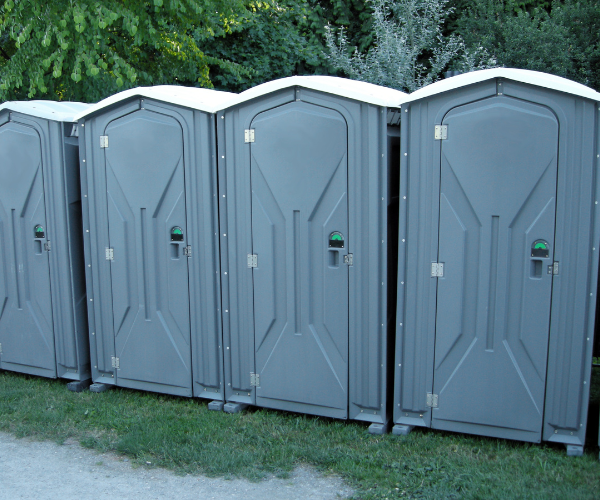
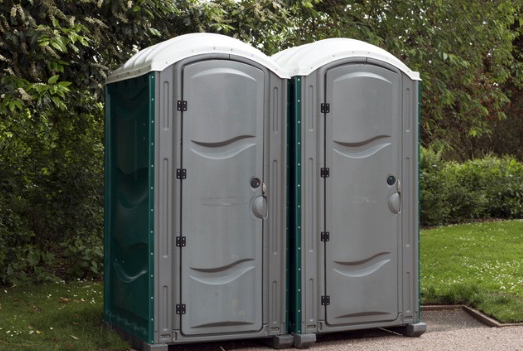
Our standard porta john rental units are durable and reliable for any commercial build site, housing development, public works project, or remodel job.Features include dome lighting, grated floors, and an “In-Use” locking mechanism for privacy and comfort. Regularly maintained, inspected, and cleaned by FusionSite at your location.
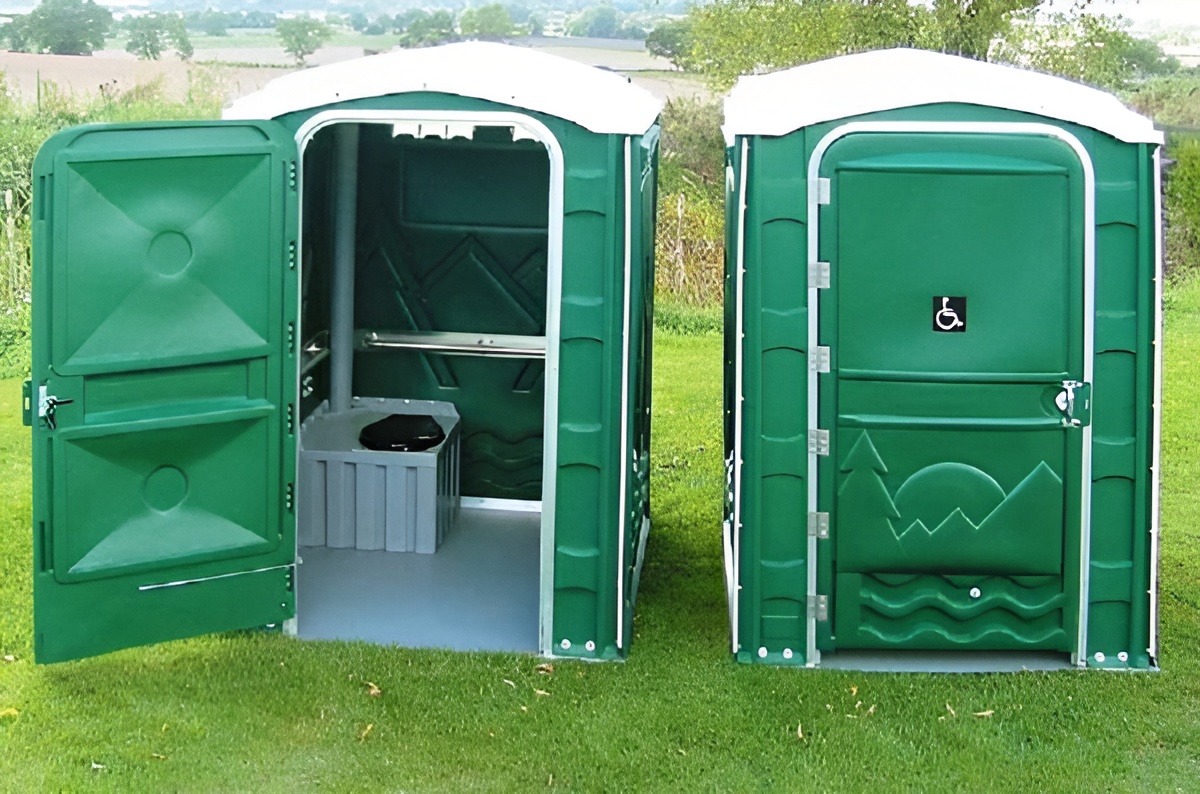
Developed as an alternative to full ADA-compliant restrooms, the Liberty is a spacious, wheelchair-accessible unit that can also be promoted as a family-sized restroom. Includes a patented flat-floor system for easy wheelchair access and maneuverability.Handrails, paper holder, and rotary latch are designed for simple, intuitive end-user operation.
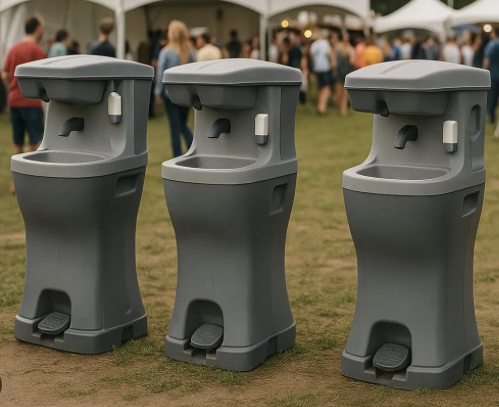
Portable hand washing stations are essential for keeping your work site sanitary and clean. Features hands-free foot pumps, liquid soap, and paper towels.Perfect for job sites without water hookups, these units can handle hundreds of washes between services.
We Proudly Serve
Standard Portable Toilets
Our Standard Portable Toilets provide essential sanitation for any event or job site.
High Rise Portable Toilets
High Rise Portable Toilets are designed to meet unique construction needs in St. Martinville.
Restroom Trailers
Our Restroom Trailers in St. Martinville offer luxurious amenities for events of all sizes.
Roll off Dumpsters
Roll off Dumpsters provide efficient waste management solutions at Event Solutions in St. Martinville.
Septic Tank Cleaning
Septic Tank Cleaning services in Louisiana ensure effective maintenance and cleanliness.
Grease Trap Cleaning
Grease Trap Cleaning ensures compliance and hygiene for businesses in St. Martinville.
Fencing & Barricades
Fencing & Barricades offer security and crowd control for any event, operating in Louisiana.
Residential Storage
Residential Storage solutions in St. Martinville provide secure, convenient storage options.
St. Martinville Portable Toilets and More
Our process for obtaining a quote and arranging delivery for a portable toilet is designed to be both straightforward and transparent. By visiting our website, you can easily navigate through the options available and tailor the rental to your specific needs. The user-friendly forms located at the top and bottom of each page on our website require just a few basic details: your first name, last name, phone number, and email. Not only is the process simple, but our team is on hand to guide you through any questions that may arise. Additionally, you'll find prominently placed 'Get A Quote' buttons throughout our pages, allowing for the quickest access to our support. Once your details are entered, our representatives will promptly reach out to provide a competitive quote and assist with any further inquiries regarding your rental. We understand the importance of timely service, which is why we aim to deliver our portable toilets swiftly wherever and whenever they are needed. From construction sites to weddings, festivals, and private parties, our extensive inventory ensures that the right solution is always available. Choose us for unparalleled ease and convenience in portable restroom rentals.
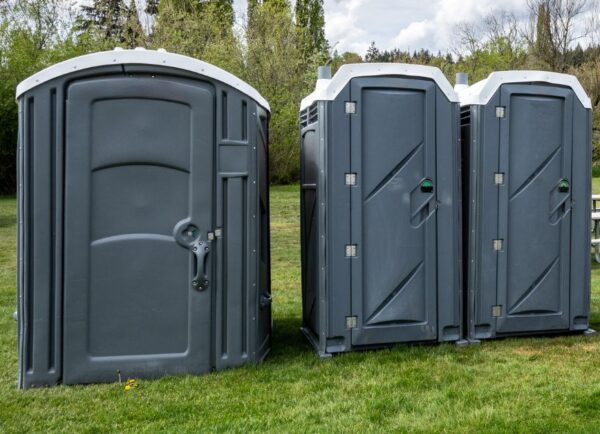
Nestled in the heart of St. Martinville, we proudly offer portable toilet services that capture the essence of local charm and highlight the vibrant outdoor attractions our region is known for. Whether it's the renowned Acadian Memorial Festival or a tranquil gathering by the historic Evangeline Oak, our clean, dependable, and convenient portable toilets elevate any event by ensuring guest comfort. Our commitment to St. Martinville means we understand our community's needs and expectations. Our services cater to all events, from elegant weddings to cozy family reunions. We're dedicated to providing more than just portable toilets; we're devoted to offering products that complement the beauty and requirements of our unique local scene. See why we're the top choice for portable sanitation in St. Martinville today.
When it comes to portable toilet rentals in St. Martinville, our reputation speaks for itself. With years of experience and a broad base of satisfied customers, our company is trusted for its reliability and excellence. Our continuous investment in advanced equipment and customer service means that each event and job site receives only the best in portable restroom solutions.Choosing us for your sanitation needs ensures that you are working with a team that understands the importance of local service. Our units are meticulously maintained to reflect the high standards expected by our clients.With competitive pricing and a strong focus on customer satisfaction, there's no better choice in St. Martinville for portable toilets than us. Experience the difference that quality service and community roots make for your next project or event.
In the fast-paced environment of event planning and construction, we know that swift, dependable service is crucial. Our team is committed to providing portable toilets that are both readily available and impeccably serviced.With unmatched speed, our delivery ensures that your units arrive on time, with every detail taken care of, so you can focus on what matters most: your event or project. Our operational efficiency is achieved without compromising the quality of our products or service.We emphasize reliability in every aspect, from the initial consultation to the seamless setup and removal of facilities. Choose our portable toilet services for prompt and professional solutions in St. Martinville.
St. Martinville Portable Toilet Inquiries
Renting a portable toilet in St. Martinville offers a straightforward and user-friendly experience. Start by visiting our website to access detailed information on our wide range of portable toilets available for rental. At both the top and bottom of each page, you'll find an inquiry form requiring just a few details: your first and last name, phone number, and email address. Completing this simple form is your first step toward receiving a personalized quote from our dedicated team. For a swifter response, you can also click on any of the 'Get A Quote' buttons found throughout the site, which connect you directly to our attentive customer service representatives. After submitting your information, a representative will contact you promptly to guide you through the rental process, addressing any specific needs or preferences. Our quick response time allows you to make informed decisions without delay. We accommodate events of all sizes, from intimate gatherings to large-scale construction projects, ensuring the perfect fit for your needs. Whether you require a short-term solution or support for a long-term project, our team will work with you to deliver a tailored solution that guarantees satisfaction and hygiene. Our seamless process emphasizes our commitment to making portable toilet rentals in St. Martinville smooth and efficient.
The delivery timeframe for portable toilet orders can vary depending on several factors such as location, the number of units ordered, and the current demand. Typically, once you have placed an order with our team, we work diligently to ensure that your units are delivered within 24 to 48 hours. For events and projects within St. Martinville, we strive to provide an even quicker delivery service, taking advantage of our local operations to ensure speed and efficiency. Our logistics team coordinates closely with you to provide the best possible delivery time that matches your schedule and event needs. During peak times, such as festival seasons or construction booms, we recommend placing orders earlier to secure availability and prompt delivery. Our team keeps open communication to prevent any last-minute surprises and ensure all clients are informed of the expected delivery window. This prompt and reliable service allows customers the peace of mind to focus on other aspects of their event or project. You can depend on our experienced logistics team to handle nuances in delivery timing with professionalism and care, reassuring you of our commitment to exceptional service delivery.
Yes, we provide comprehensive services for all types of events and construction services. Our versatility allows us to cater to anything from festivals and sporting events to weddings, corporate gatherings, and family reunions, ensuring spotless sanitation solutions wherever required. Additionally, we offer products such as luxury restroom trailers, porta potties, roll-off dumpsters, fencing, barricades, holding tanks, ADA-compliant units, portable sinks, and hand sanitizer stations suited to any scale of operation. By offering such an extensive selection, we ensure that any event planner or construction manager can find the right services to meet specific needs. Our experience and commitment to high-quality service make us a preferable choice for those looking to ensure a seamless experience, regardless of the event's scale or nature. Feel free to contact our team to discuss how we can specifically cater to and enhance your particular event or project.
