Portable toilets offer significant eco-friendly advantages, contributing to environmental sustainability. First and foremost, they drastically reduce water usage compared to traditional toilets. By using a closed system that doesn't require continuous flushing, portable toilets conserve thousands of gallons of water annually, making them an excellent choice for outdoor events, festivals, and job sites. Second, the waste collection and disposal process is highly efficient. Waste from portable toilets is collected and transported to designated treatment facilities, where it is processed in a manner that's less taxing on local water bodies than untreated sewage. This controlled waste management helps prevent pollution in natural ecosystems, ensuring that local wildlife and plant life remain undisturbed by human activities. Furthermore, many modern portable toilets are designed from recyclable materials. Their construction often includes durable, eco-friendly plastics that can be reused or repurposed, reducing the reliance on new raw materials and diminishing the environmental footprint. In addition, chemical treatments used in portable toilets are increasingly developed to be biodegradable and safe for the environment, aligning with green initiatives and reducing harmful emissions or residues. For events seeking a sustainable solution, portable toilets can be complemented with hand sanitizers, reducing the need for excessive water-based handwashing while maintaining hygiene. Finally, portable toilets play a pivotal role in promoting responsible waste management practices in locations without established sanitation infrastructure. They offer a clean, sanitary solution in these areas, aligning with green agendas by minimizing the ecological impact of large gatherings and construction activities. By choosing portable toilets, event organizers and site managers can contribute to a more sustainable environment by supporting product choices that underscore the importance of water conservation and pollution prevention.

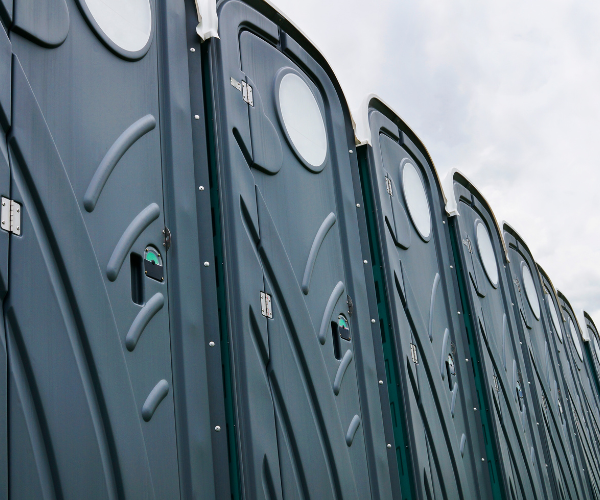
Portable Toilet Rentals in Ward County, Texas
Call today for a free quote (337) 270-0434
Portable Toilet
Fast, Easy, & 100% Free To Get Started
Years of Local Expertise
With over 15 years of experience, we have cultivated a strong commitment to quality and customer satisfaction in Ward County. Our long-standing history and deep-rooted community ties drive us to deliver exceptional service every time.
Dedication to Excellence
Our commitment to providing exceptional quality service sets us apart in the portable toilet industry. We ensure that every unit is meticulously maintained, guaranteeing a hygienic and pleasant experience for all users.
Fast and Efficient Delivery
Timely delivery is a cornerstone of our service promise. We strive to meet and exceed customer expectations by ensuring our portable toilets are delivered promptly and efficiently to any location in Ward County.
Reliable Portable Toilet Solutions in Ward County
Call for a Free Quote Today
(337) 270-0434
As a locally owned provider in Ward County, we take pride in delivering dependable portable toilet services. We cater to construction sites, parties, festivals, and weddings throughout the region, including neighboring areas. Focusing on quality and customer satisfaction, we guarantee clean and accessible units for each occasion. Choosing us means opting for a service that appreciates reliability and community connections. Trust us to bring comfort and convenience to your next event, confident that your sanitation needs are expertly handled.
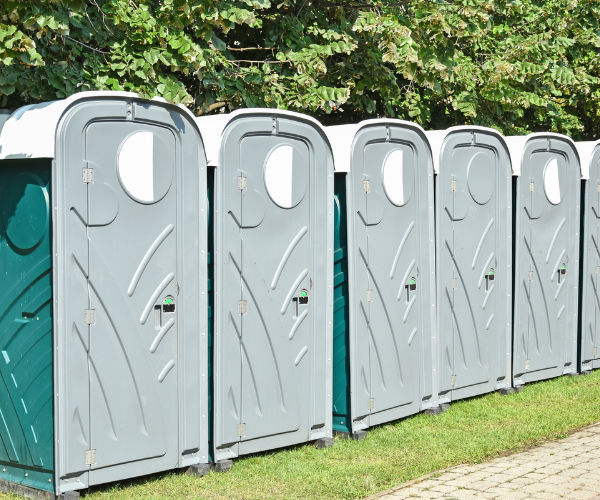
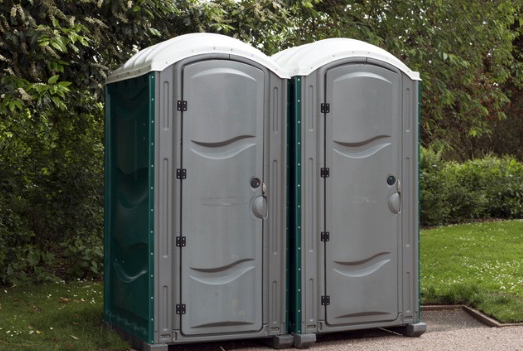
Our standard porta john rental units are durable and reliable for any commercial build site, housing development, public works project, or remodel job.Features include dome lighting, grated floors, and an “In-Use” locking mechanism for privacy and comfort. Regularly maintained, inspected, and cleaned by FusionSite at your location.
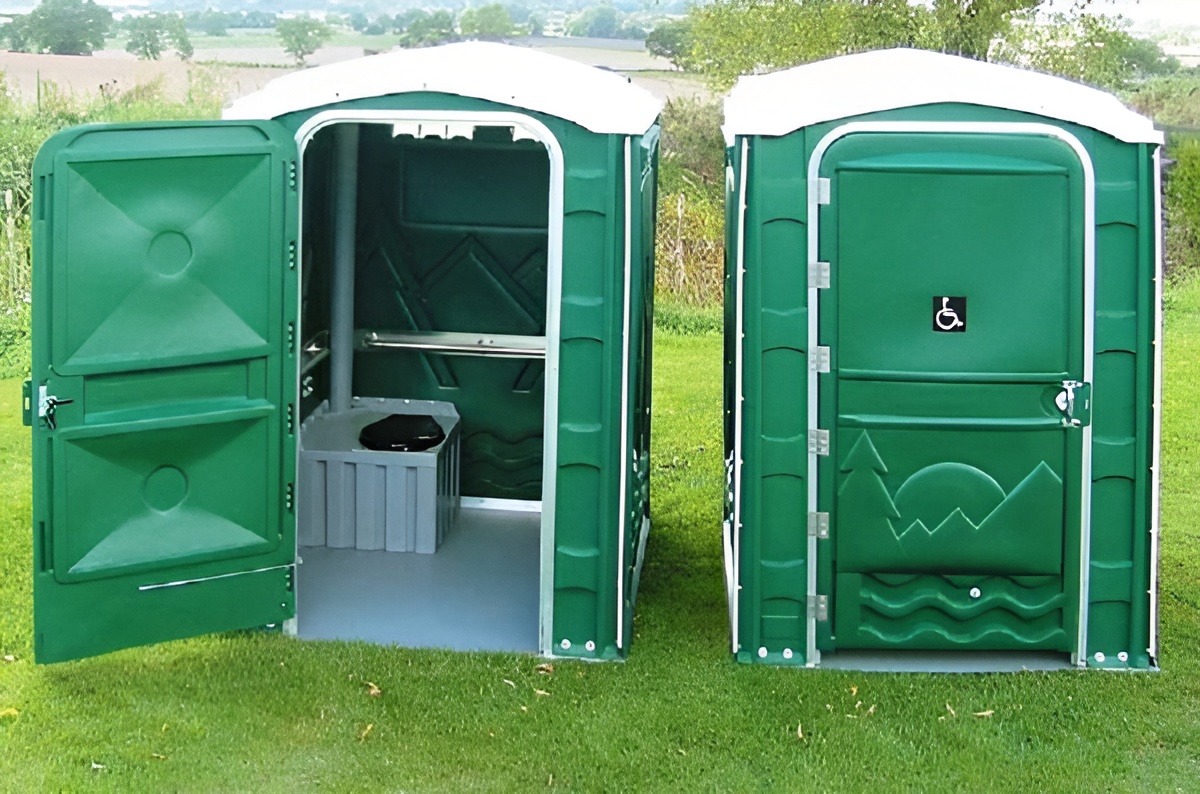
Developed as an alternative to full ADA-compliant restrooms, the Liberty is a spacious, wheelchair-accessible unit that can also be promoted as a family-sized restroom. Includes a patented flat-floor system for easy wheelchair access and maneuverability.Handrails, paper holder, and rotary latch are designed for simple, intuitive end-user operation.
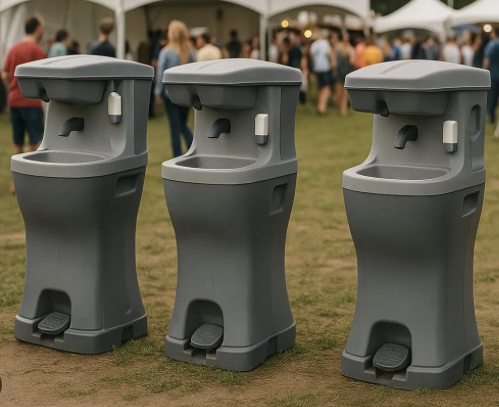
Portable hand washing stations are essential for keeping your work site sanitary and clean. Features hands-free foot pumps, liquid soap, and paper towels.Perfect for job sites without water hookups, these units can handle hundreds of washes between services.
We Proudly Serve
Standard Portable Toilets
Our standard portable toilets at Event Solutions provide reliable sanitation for any outdoor gathering or event in Texas.
High Rise Portable Toilets
Our high-rise portable toilets in Ward County are designed for construction projects and events requiring elevated sanitation solutions.
Restroom Trailers
Restroom trailers from Event Solutions in Ward County offer luxury and convenience with versatile options for diverse events.
Roll off Dumpsters
Event Solutions' roll-off dumpsters ensure efficient waste management for events and construction sites across Ward County.
Septic Tank Cleaning
With our septic tank cleaning service, Event Solutions maintains optimal functionality for residential and commercial systems in Texas.
Grease Trap Cleaning
Grease trap cleaning by Event Solutions in Ward County ensures commercial kitchen compliance and efficiency in Texas.
Fencing & Barricades
Event Solutions provides fencing and barricades services to secure and manage events effectively across Texas.
Residential Storage
Ward County residents trust Event Solutions for reliable residential storage solutions tailored for efficiency and convenience.
Ward County Portable Toilet and Rental Services
Obtaining a quote for our portable toilet services is straightforward and convenient. Through our website, you can easily request a quote by providing basic details about your event, such as the location and the number of toilets needed. Our team quickly processes this information to ensure a detailed and accurate quote, reflecting your specific needs and preferences. Delivery logistics are seamlessly handled, with our staff coordinating directly with you or your event planner to determine the most suitable time for drop-off and setup. This customer-centric approach is designed to eliminate any stress associated with event planning. Our wide selection of portable toilets suits various events, from construction sites to upscale gatherings, guaranteeing a fitting solution for every occasion. Trust our reliable service and clear communication to ensure sanitary facilities are one less thing to worry about on your big day.
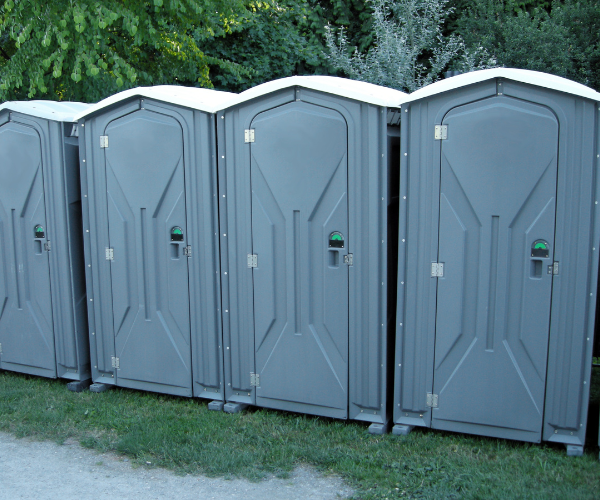
In Ward County, the charm of local attractions and outdoor settings is perfectly complemented by our portable toilet services. As the leading provider, we offer clean, reliable, and convenient sanitation solutions to enhance your experience of community events. Whether you're attending the vibrant Ward County Fair or exploring the scenic Monahans Sandhills State Park, our units ensure comfort wherever you enjoy the great outdoors. Our dedication to local appeal extends to offering tailored services for Ward County's diverse range of events, including corporate gatherings and weddings. We proudly serve the community, providing superior sanitation solutions that integrate seamlessly with the county's distinct character. Let our premium portable toilets be a part of your next memorable event.
Choosing us for your portable toilet needs in Ward County guarantees you outstanding service. With a strong community presence, we understand local requirements and deliver superior results. We provide tailored solutions, ensuring clean, dependable portable toilets that elevate any event. Our satisfied clients and impeccable reputation highlight our unwavering commitment to quality and the community.
Our portable toilet services are renowned for their speed and reliability in Ward County. We prioritize prompt service from the moment you reach out, ensuring swift delivery and setup. Whether it's for construction projects or special events, our team is committed to providing fast and efficient service without compromising on quality. Count on us to exceed your expectations with our seamless and dependable solutions.
Ward County Portable Toilet: Learn More
Renting a portable toilet in Ward County is a straightforward and convenient process designed to meet your sanitation needs efficiently. To initiate your rental, you can explore our website, where you'll find comprehensive options to guide your decision. At the top and bottom of our webpage, you'll notice forms that invite you to begin your rental request. By simply filling out these forms, you'll allow us to assist you better. Provide your first and last name, phone number, and email address, essential contact information that enables our representative to reach out with personalized guidance based on your outlined requirements. Additionally, strategically placed 'Get A Quote' buttons throughout our site offer a hassle-free way to express your interest. Clicking these buttons propels you into a streamlined communication pathway with our expert team. Your inquiry triggers prompt attention, ensuring a rapid turnaround with keen insights tailored to your needs. This direct system not only minimizes the time invested in obtaining services but also secures a transparent overview of available options and associated costs. After your initial contact, our friendly staff will follow up with a comprehensive quote, setting out detail-oriented packages that address your unique event or project context. Our goal is to facilitate a stress-free end-to-end experience, from inquiry through to delivery and collection. We're here to assist with any questions or special requests you may have, ensuring that every aspect of your rental is expertly managed. Choose us for your portable toilet needs in Ward County, and rest assured that professional support and superior service quality underpin every aspect of your rental journey.
The delivery timeframe for portable toilet orders is designed to accommodate the varying needs of our clients in Ward County. Generally, we recommend making reservations well in advance to secure availability, especially during peak event seasons. After your rental request is confirmed, our team schedules the delivery to align with your specific timeline, providing flexibility to meet your event or project start dates. For standard orders, expect delivery within 24 to 48 hours, allowing ample time to set up and familiarize yourself with the units before guests or workers arrive. In instances where expedited services may be necessary, we offer rush delivery options to ensure that even last-minute demands are met without compromising quality or convenience. Communication is pivotal to our process; hence, we coordinate closely with you, offering updates on delivery status and expected arrival times. This proactive approach ensures there are no surprises, fostering confidence in our reliability and commitment to exceptional customer service. Depending on the order volume and event scale, we might stagger the delivery schedule to efficiently manage logistics, particularly for large functions requiring multiple units. Our operational strategy encompasses meticulous planning and robust execution, with the goal of exceeding client expectations and ensuring a smooth setup process. To maintain quality and reliability, we inspect and service each portable toilet before dispatching it, reinforcing our dedication to product excellence. Trust in our delivery framework, designed to infuse peace of mind at every stage of your rental journey.
Yes, we provide comprehensive services for all types of events and construction projects. Our team is equipped to handle various settings, including festivals, sporting events, weddings, corporate functions, family reunions, and other special gatherings. We offer an array of solutions tailored to fit the unique requirements of each occasion, such as luxury restroom trailers, standard porta potties, and ADA-compliant units. For construction sites, our portable toilets, along with roll-off dumpsters, provide efficient waste management for projects of any size. We can also furnish your event with lightweight fencing and barricades, ensuring safety and crowd control. To further enhance hygiene, portable sinks and hand sanitizer stations are available. The diversity of our product offerings allows us to customize solutions that cater to the specific demands of your event or project. Our experienced team collaborates with you to ensure seamless integration of our services, whether it's providing temporary restrooms in remote locations or setting up barrier systems to manage foot traffic. Choose us as your partner for reliable and professional event and construction services tailored to your precise needs.
