Incorporating eco-friendly practices into restroom trailer designs presents numerous environmental benefits. First, modern restroom trailers often use significantly less water compared to traditional plumbing systems. This reduced water usage is achieved through advanced vacuum or low-flow technology, ensuring that waste management is effective without excessive water consumption. Secondly, restroom trailers are designed to minimize waste contamination to the environment. They are equipped with sealed units that prevent leakage, and waste is responsibly managed, often treated off-site in certified processing plants.Additionally, restroom trailers can be outfitted with solar panels to power interior lighting and other electrical needs, further decreasing their carbon footprint. The materials used in the construction of these trailers are increasingly from sustainable sources, with greater emphasis placed on recycling and repurposing materials.Another significant advantage is their mobility and flexibility, allowing them to be stationed in areas with minimal ecological disruption. Unlike permanent structures, their portability ensures that the site can be restored to its natural state post-event or after they are no longer needed. This minimizes long-term environmental impact.Moreover, innovative waste management systems in restroom trailers can reduce the frequency of waste emptying, cutting down on fuel emissions associated with transport. For larger gatherings, the consolidated use of restroom trailers also results in a lower overall environmental impact compared to multiple single-unit portable toilets.In summary, the use of restroom trailers is a strategic choice for those seeking eco-friendly sanitation solutions. Their efficient use of resources, sustainable materials, reduced environmental disturbance, and innovative waste management aligns them with modern environmental consciousness, making them preferable for organizers mindful of their ecological footprint.

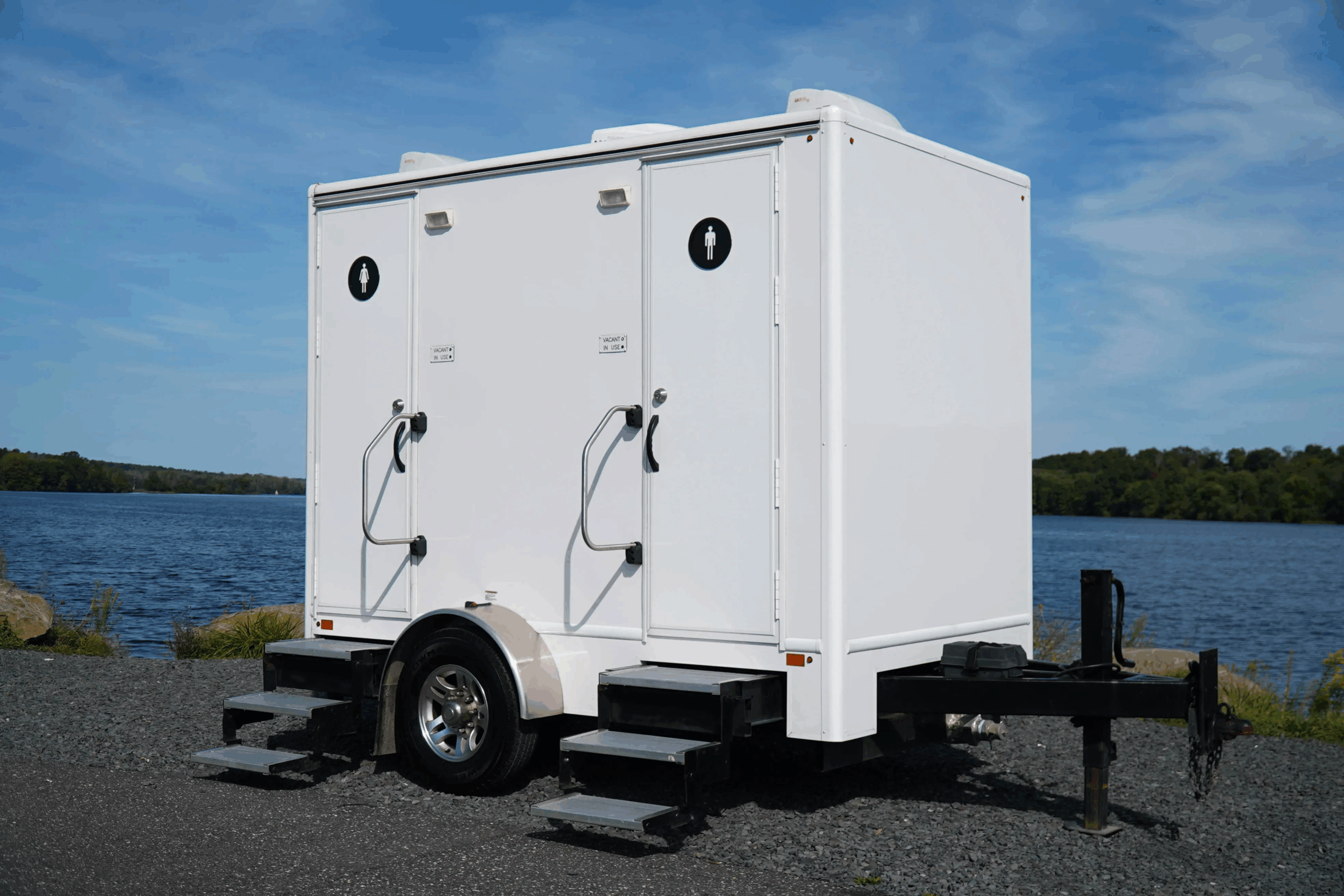
Restroom Trailer Rentals in Morton
Call today for a free quote (337) 270-0434
Restroom Trailer
Fast, Easy, & 100% Free To Get Started
40 Years of Excellence
With more than 40 years serving Morton, our company is deeply embedded in the community, consistently delivering top-notch quality and excellence. We have earned a reputation for trust and reliability, focusing on customer satisfaction and elevating your events with our superior restroom trailers.
Excellence in Every Unit
We meticulously maintain our premium restroom trailers, guaranteeing a pristine and comfortable experience for every guest. Committed to delivering exceptional quality, we proudly set the standard in portable restroom solutions with unmatched service.
Fast, Reliable Delivery
Experience rapid and dependable service with our efficient delivery process, ensuring restroom trailers arrive promptly and ready for use. Trust our expertise to provide seamless solutions tailored to meet your event's exact needs.
Luxury Restroom Trailers in Morton, Texas
Call for a Free Quote Today
(337) 270-0434
Welcome to our locally owned and operated Restroom Trailer company, proudly serving Morton, Texas, and nearby communities. We specialize in dependable portable sanitation solutions, precisely tailored for any occasion. Whether you're managing a construction site, hosting an intimate gathering, or organizing a grand festival or wedding, our units provide superior service and impeccable cleanliness. Our dedication to customer satisfaction ensures a smooth experience from beginning to end. Trust us to enhance your event with our premium restroom trailers, meticulously maintained and easily accessible for your convenience.
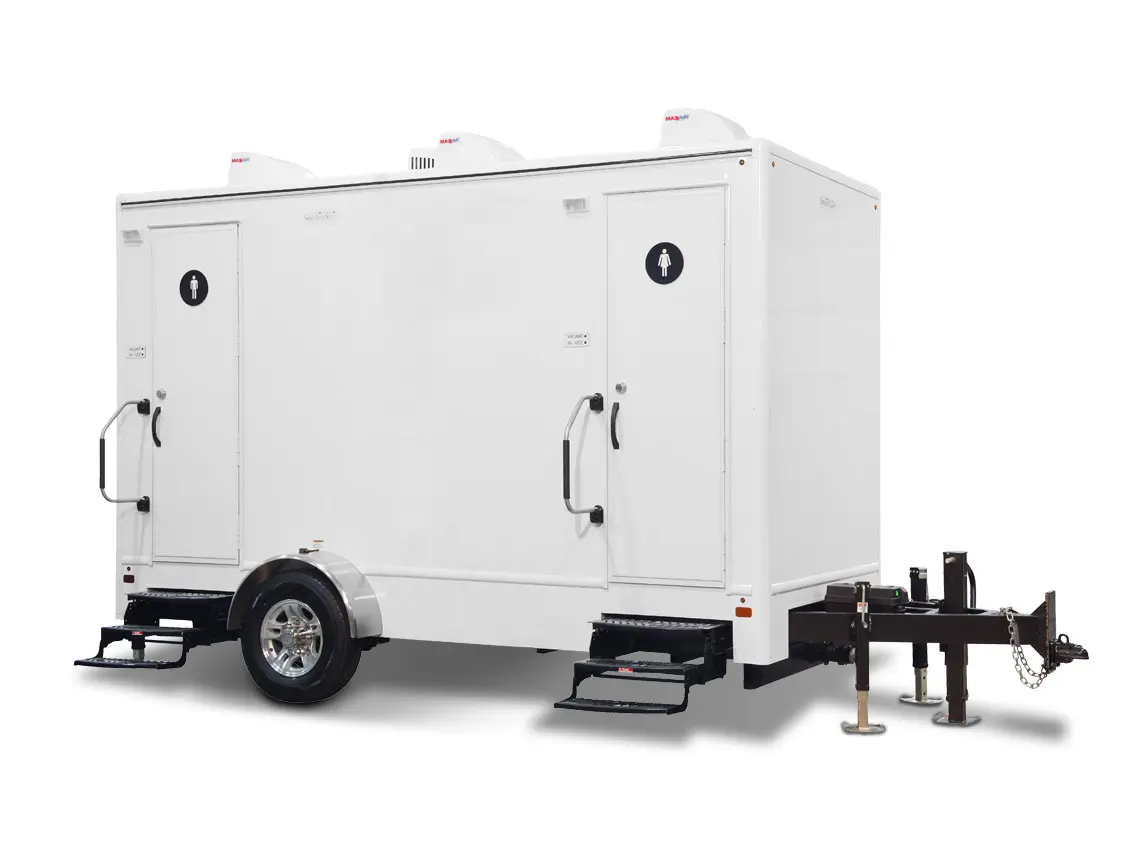
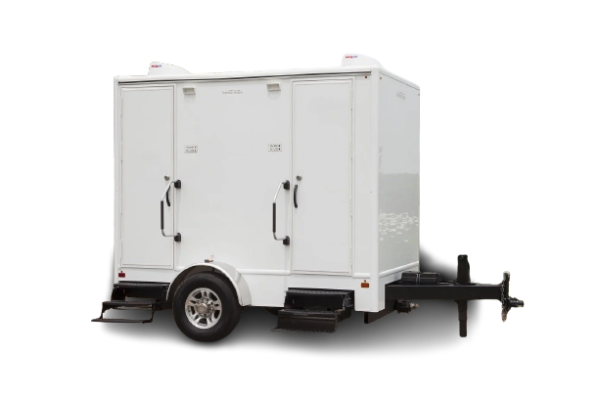
A compact, stylish solution featuring separate entrances for men and women.Each private suite includes flushing toilets, sinks with running water, interior lighting, and climate control for comfort at any event or worksite. (We offer variants 2–10 stalls.)
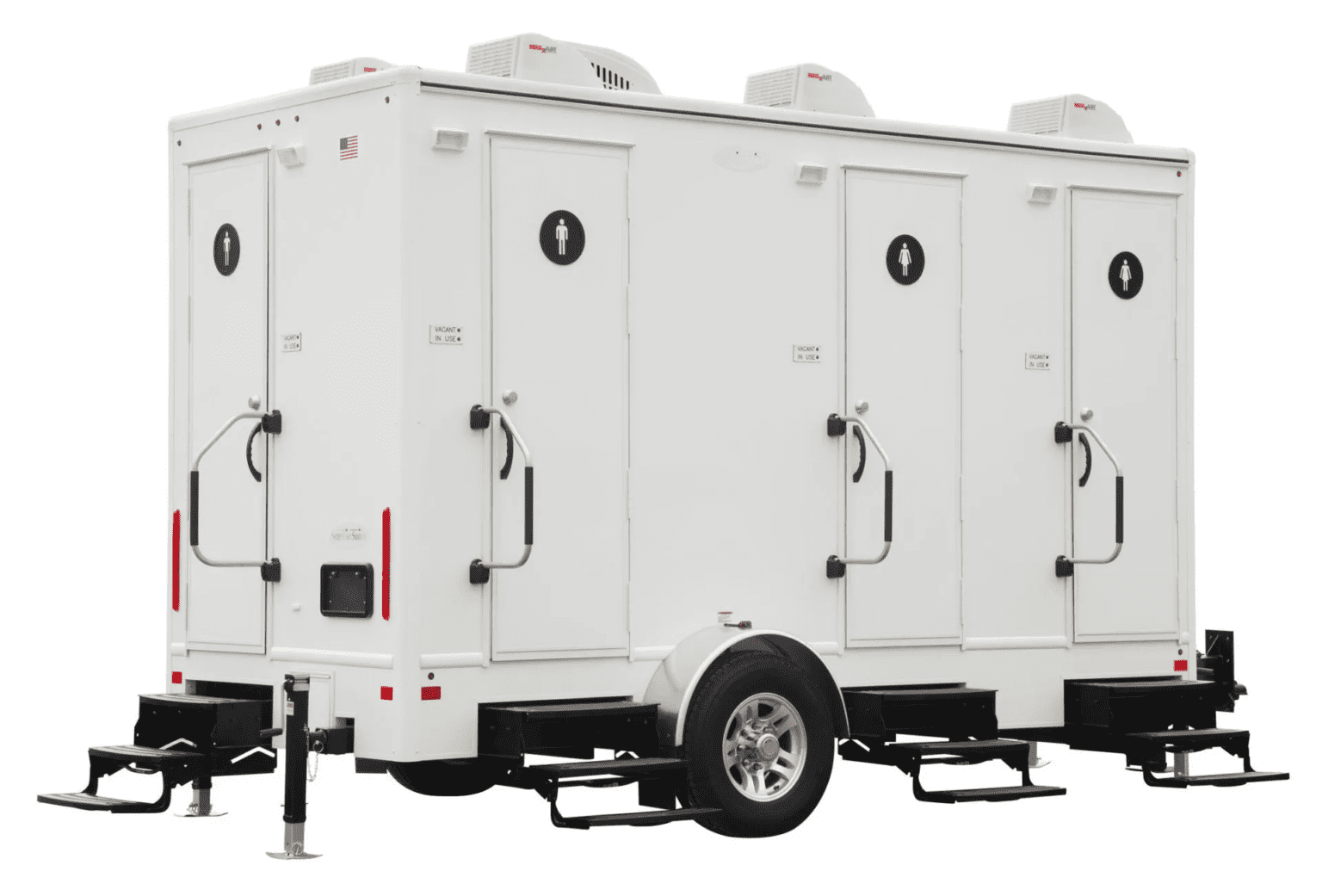
Designed for higher guest capacity, this unit offers four private, individual restrooms with flushing toilets, sinks with running water, interior lighting, and climate control. Ideal for weddings, festivals, and busy job sites.(We offer variants 2–10 stalls.)
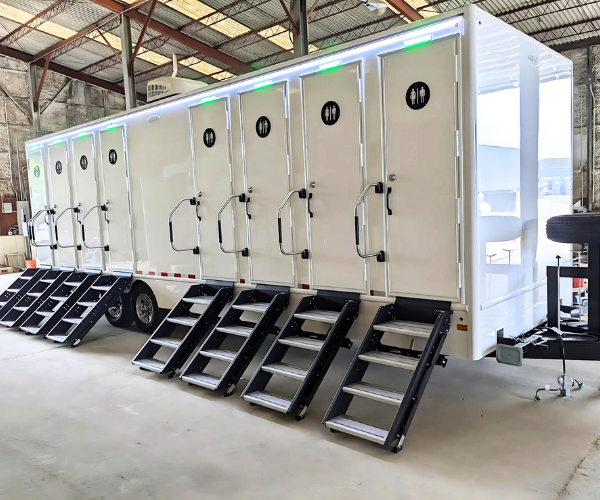
Perfect for large events and high-traffic sites, this spacious trailer provides eight private stalls, each with a flushing toilet, sink with running water, interior lighting, and climate control. A reliable, upscale solution for maximum convenience and comfort.(We offer variants 2–10 stalls.)
We Proudly Serve
Standard Portable Toilets
Event Solutions offers dependable standard portable toilets for any occasion in Texas, ensuring cleanliness and comfort.
High Rise Portable Toilets
High Rise Portable Toilets in Morton provide efficient sanitation solutions for construction projects and elevated work sites.
Restroom Trailers
Event Solutions specializes in Restroom Trailers at Morton, offering premium facilities for events and gatherings.
Roll off Dumpsters
Event Solutions delivers sturdy roll-off dumpsters in Morton for all waste management needs efficiently.
Septic Tank Cleaning
Our expert septic tank cleaning services keep Texas properties in top condition with regular maintenance.
Grease Trap Cleaning
Grease Trap Cleaning in Morton, Texas, helps maintain optimal performance for local businesses through expert maintenance.
Fencing & Barricades
Event Solutions offers quality fencing and barricades in Texas for secure and efficient event management.
Residential Storage
Our Residential Storage in Morton, Texas, provides secure and accessible solutions for all your storage needs.
Morton Bespoke Restroom Trailer Solutions
Getting a quote and arranging for the delivery of a Restroom Trailer has never been easier. Our user-friendly online platform allows you to request a quote in just a few clicks, ensuring transparency and convenience from the get-go. Simply fill out the basic details, such as event location and type, and receive a quick, no-obligation quote tailored to your needs. Once you're ready to proceed, our team coordinates everything to ensure a seamless delivery experience. We work around your schedule to deliver our state-of-the-art restroom trailers exactly when and where you need them. Our commitment to hassle-free service means you can focus on your event while we handle all the logistics. Rest assured, our professional team is dedicated to delivering punctual and reliable service, so you can enjoy peace of mind knowing your event is in capable hands. Whether it's a small backyard gathering or a large festival, our efficient processes, and excellent communication make getting a Restroom Trailer straightforward and stress-free.
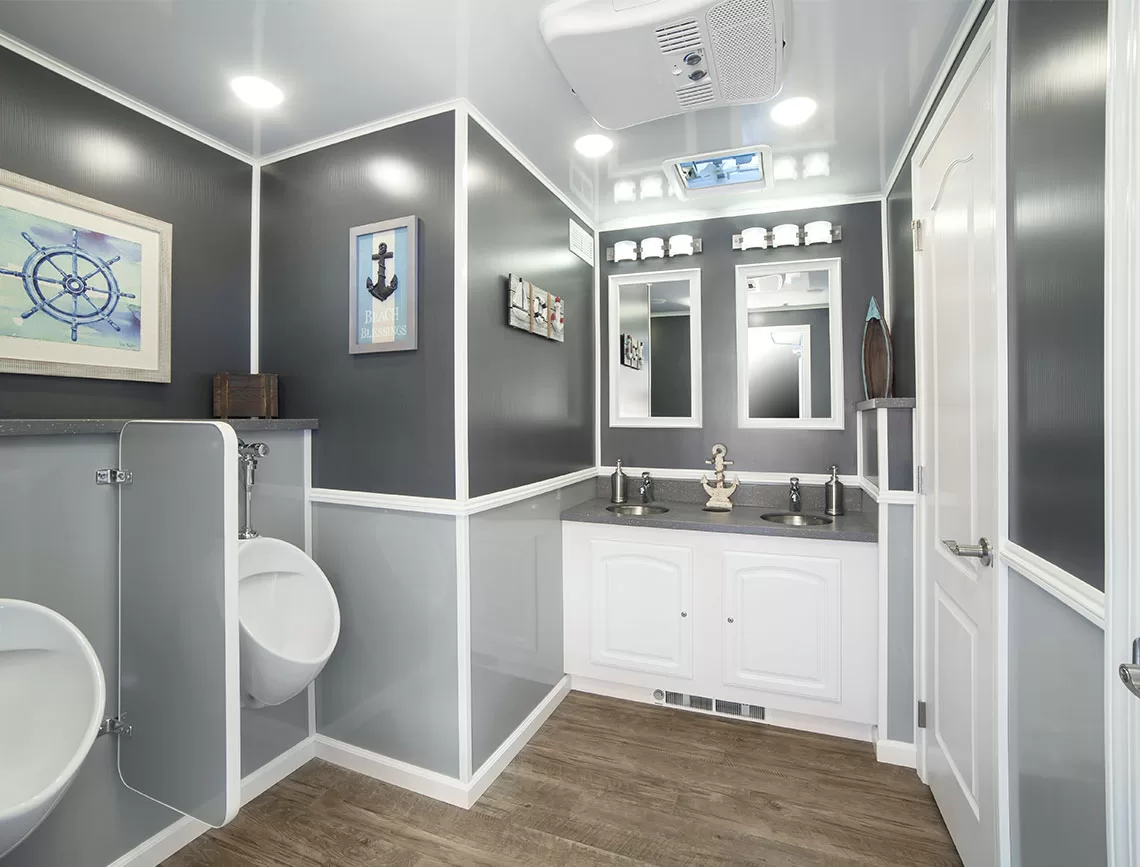
Create lasting memories with world-class restroom trailers tailored to the unique charm of Morton. Enhance community events, whether you're enjoying the lively atmosphere of the Morton County Fair or exploring the scenic beauty near the Cochran County Courthouse. Our meticulously cleaned trailers ensure reliable and convenient facilities for every guest. With Morton's rich connection to nature, many events thrive amidst stunning landscapes. Our trailers promise comfort without sacrificing quality, ideal for weddings and family reunions, and are designed to integrate seamlessly into any setting, adding a touch of elegance and sophistication. Choose us to make your event unforgettable. We pride ourselves on enhancing the guest experience with our exceptional portable sanitation solutions, setting the standard for cleanliness and comfort throughout the area.
We are Morton's leading choice for Restroom Trailer services, renowned for our unwavering commitment to quality and deep local ties. Our dedication to the Morton community stands out, with our seasoned team prepared to handle every occasion with expertise.From intimate weddings to lively festivals, we provide the finest restroom solutions. We understand local needs and customize our offerings to meet those specific requirements—right here in Morton.Rely on us to deliver unparalleled service, ensuring every event becomes a memorable success with our exceptional Restroom Trailers.
Fast and reliable, our restroom trailer services ensure a seamless experience. We emphasize quick delivery and consistently uphold high cleaning standards.Our attentive team meticulously prepares each unit, delivering it to Morton fully equipped and ready for use. Your satisfaction remains our priority, offering peace of mind with every rental choice.Rely on us for punctual delivery, setup, and removal, reducing your involvement so you can focus on enjoying your event without stress. Our dependable service promises a smooth and successful event whenever you choose us.
Discover Morton Restroom Trailer Solutions
Renting a Restroom Trailer in Morton is a streamlined process designed for your convenience. To get started, explore our website where you'll find 'Get A Quote' buttons strategically placed for easy access. Clicking on one of these buttons directs you to our quote page, which requires essential information such as your first name, last name, phone number, and email. Submitting this form prompts our team to generate a customized quote based on your event's specific needs and location requirements.For added convenience, similar forms can be found at the top and bottom of every webpage, ensuring that you can initiate the rental process from virtually any section of the site. Providing this information facilitates quicker response times and ensures that we tailor our services precisely to your demands.Upon receiving your details, our customer service professionals promptly coordinate with you to finalize the rental arrangements. This includes scheduling both delivery and collection at your preferred times, allowing you to focus on your event planning. Our team's commitment to service excellence guarantees that you enjoy a smooth, hassle-free experience from start to finish.Whether you're hosting a small private gathering or a large public event, we accommodate all scales of bookings with ease. Our responsive approach ensures all your inquiries are swiftly handled, and assistance is readily available should you require any additional features or services during the rental period. Trust us to deliver professionalism at every stage, aligned perfectly with your event timeline and specifications.
The typical delivery timeframe for restroom trailer orders is designed to be flexible and accommodate your specific event needs. Generally, we recommend booking your restroom trailer at least two weeks in advance of your event to ensure availability and allow time for detailed planning. However, we understand that events can sometimes be organized on short notice, and our team is equipped to handle expedited requests whenever possible.Once your booking is confirmed, we'll work closely with you to finalize the exact delivery dates and times, ensuring everything aligns with your event schedule. We aim for deliveries to occur one to two days before your event to provide ample time for setup and to address any adjustments that may be needed. This approach allows us to identify the best possible placement for the trailers and ensures that all features are functioning correctly before your guests arrive.Our delivery team is committed to punctuality, understanding how critical timing can be when it comes to event planning. Professional coordination with event planners or site organizers is carried out to ensure that access routes are clear and setup proceeds without a hitch. Moreover, post-event, we efficiently manage the removal of the restroom trailers to restore the site to its original condition, seamlessly wrapping up our involvement.In peak event seasons or for particularly specialized needs, we encourage early communication with our sales team to confirm specific availability windows. With our attentive service and planning, you can rest assured that your restroom trailer solutions will be integrated effortlessly into your event plans.
Yes, we service all types of events, including major festivals, sporting events, weddings, corporate gatherings, family reunions, and more. Our comprehensive service portfolio ensures that we meet diverse needs with our luxurious restroom trailers. For any special occasion, we provide customizable options that enhance the overall guest experience, offering both comfort and convenience.Beyond traditional event types, our services are tailored for construction sites, featuring durable solutions that withstand the demands of hardworking crews. We maintain a versatile inventory of units like portable sinks, hand sanitizer stations, and ADA-compliant options to satisfy every requirement on larger-scale projects.Choose our solutions and benefit from quick, streamlined service. Our expert team ensures the timely delivery, setup, and maintenance of all units. Rely on us for dependable services that you and your guests can trust, regardless of the occasion.We have expanded our offerings to include essentials like roll-off dumpsters, fencing, and barricades to uphold hygiene standards while ensuring safety and practicality for large gatherings. With these facilities, we position ourselves as your go-to solution for efficient and organized event management.
